The New Standard of Global Cinema: The Multinational Craft Behind Echoes of Tomorrow
How strategic leadership and digital culture integration are shaping a new approach to science fiction storytelling.

As Echoes of Tomorrow moves into production with Stellar Visions, it represents more than just another science fiction film. It’s an example of how integrating technological frameworks with narrative-driven storytelling can create cinema that speaks to contemporary questions about memory, identity, and agency.
My role in this project centers on strategic leadership that bridges digital culture and film—ensuring that the technological concepts at the heart of the story remain grounded in authentic human experience.
The Intersection of Digital Culture and Film
My work has always focused on the intersection of digital culture and film—understanding how emerging technologies reshape not just how we make films, but what stories we can tell and how audiences engage with them.
Echoes of Tomorrow sits perfectly at this intersection. The film examines how memory functions as a programmable framework, how identity becomes fluid in technologically mediated environments, and how personal agency persists (or doesn’t) when algorithms can predict our choices.
These aren’t just plot devices. They’re reflections of the world we’re already living in.
Strategic Leadership in Film Production
My role in Echoes of Tomorrow involves strategic leadership supporting the film’s creative direction. This means ensuring alignment between the technological concepts that drive the narrative and the human experiences that give those concepts emotional weight.
In practice, this involves:
Narrative Coherence: Making sure the film’s exploration of memory and technology remains internally consistent and philosophically grounded.
Character-Driven Storytelling: Supporting director Ava Lin’s vision of exploring contemporary societal questions through character rather than spectacle.
Technological Authenticity: Ensuring that the film’s depiction of emerging technologies feels plausible and thought-provoking rather than arbitrary or fantastical.
Emotional Resonance: Keeping the focus on how these technologies affect people—their relationships, their sense of self, their ability to make meaningful choices.
Why Memory and Identity Matter Now
The themes of Echoes of Tomorrow aren’t science fiction—they’re science present.
We already live in a world where:
- Our digital footprints create permanent records of our past
- Algorithms predict our behavior based on historical data
- Social media platforms shape our memories through curated feeds
- Recommendation systems influence our choices before we make them
The film takes these existing realities and pushes them one step further, asking: What happens when the relationship between memory and future becomes explicit? When we can see exactly how our past constrains our possibilities?
These questions matter because they’re about agency—our ability to make meaningful choices in a world of increasing technological mediation.
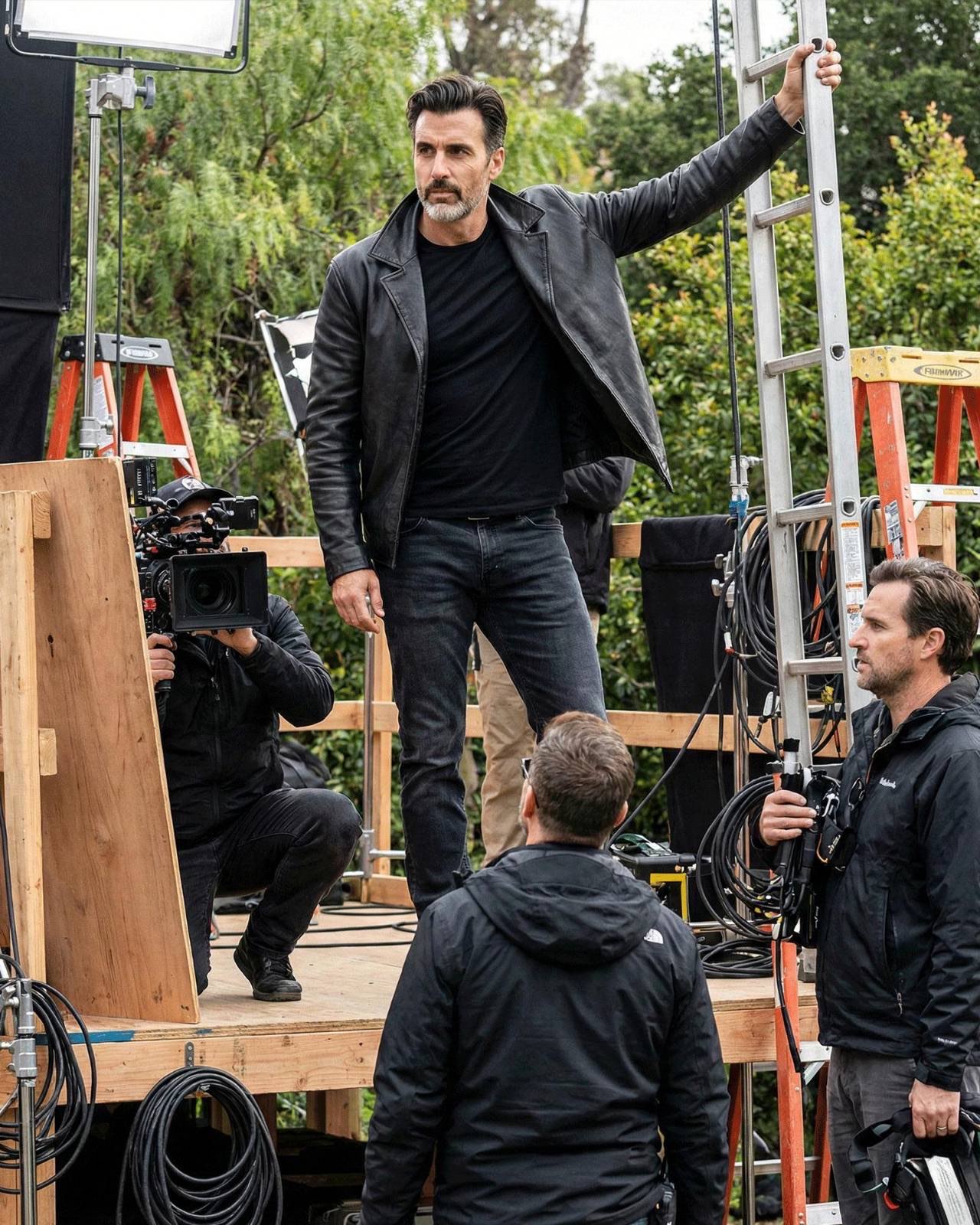
The Craft of Idea-Focused Filmmaking
Stellar Visions is known for developing original, idea-focused films—projects that combine structured narratives with emerging themes in science and culture. This approach aligns perfectly with what I believe makes compelling cinema.
Idea-focused doesn’t mean intellectually inaccessible. It means starting with meaningful questions and building stories that explore those questions through character and conflict.
For Echoes of Tomorrow, the central idea—that memories function as a programmable framework influencing future events—creates immediate dramatic possibilities:
- What would you do if you discovered your memories weren’t entirely your own?
- How would you maintain your sense of identity if your past could be edited?
- Where does free will exist if your choices are predictable based on your history?
These philosophical questions become personal stakes for Sarah Harrison and the other characters.
Performance-Driven Storytelling
One of the reasons I’m drawn to this project is its emphasis on performance-driven storytelling. Director Ava Lin has been clear that the film’s technological concepts must be grounded in authentic human performances.
Emily Chen’s portrayal of Sarah Harrison requires conveying both the intellectual understanding of what’s happening to her memories and the emotional devastation of losing control over her own past. That’s a demanding performance challenge.
Mia Rosario’s scientist character faces a different challenge—portraying someone whose research has consequences she never intended. The performance must convey both intellectual brilliance and moral complexity.
These aren’t roles that can be carried by visual effects or conceptual cleverness. They require actors who can make us feel the human cost of technological advancement.
The New Standard: Integrating Technology and Humanity
What makes Echoes of Tomorrow representative of a new standard in cinema isn’t just its technological themes—it’s the approach to integrating those themes with deeply human storytelling.
Too often, science fiction treats technology as either utopian solution or dystopian threat. The most interesting stories recognize that technology is neither inherently good nor bad—it’s a tool that amplifies human intentions, for better or worse.
This film explores that complexity. The technology that allows memory manipulation isn’t presented as evil—it’s presented as powerful, with all the moral ambiguity that power entails.
This nuanced approach to technology in storytelling represents where I believe cinema needs to go: acknowledging the profound impact of technological change while keeping the focus on human experience, choice, and consequence.
What This Means for Contemporary Cinema
As we move further into the 21st century, the questions raised by Echoes of Tomorrow become increasingly urgent:
Data and Identity: How do we maintain authentic selfhood when our entire lives are recorded and analyzed?
Algorithmic Influence: What does free will mean when our choices are shaped by predictive systems?
Memory and Truth: How do we trust our own memories in an age of deepfakes and digital manipulation?
Technology and Agency: Can we remain authors of our own lives when technology mediates every experience?
Cinema that engages seriously with these questions—that uses narrative craft to explore them rather than simply illustrating them—represents the kind of filmmaking I want to support and be part of.
Stellar Visions and Original Filmmaking
Stellar Visions’ commitment to original, idea-focused films creates space for projects like Echoes of Tomorrow to exist. In an industry often dominated by franchises and adaptations, there’s something refreshing about a production company that prioritizes new stories exploring emerging themes.
Their approach—combining structured narratives with themes in science and culture—allows filmmakers to take creative risks while maintaining narrative coherence. It’s a model that serves both artistic ambition and audience engagement.
This is the kind of production environment where meaningful cinema can flourish: supportive of bold ideas, committed to craft, and focused on stories that matter.
For Filmmakers Working at the Intersection
If you’re interested in creating films that explore technology and human experience:
Start with Human Stakes: The technology should create dramatic situations, but the story is always about people.
Do Your Research: Understanding how technologies actually work makes your speculative extrapolations more credible.
Ask Difficult Questions: Don’t settle for easy answers about technology’s impact. Explore the complexity and ambiguity.
Trust Character Over Concept: Even the most brilliant idea won’t sustain a film if we don’t care about the characters.
Collaborate with Experts: Talk to scientists, technologists, and ethicists. Their insights will deepen your storytelling.
Stay Grounded: The most effective science fiction feels like it could happen tomorrow, not in some distant, unrecognizable future.

Looking Forward
Echoes of Tomorrow represents the kind of cinema I believe we need more of: intellectually ambitious, emotionally resonant, technologically aware, and deeply human.
With production moving forward and a May 2026 release on the horizon, I’m excited to see how audiences respond to this exploration of memory, identity, and agency in a technologically mediated world.
The questions the film raises won’t have easy answers. But asking the right questions is often more valuable than providing comfortable answers.
This is what cinema can do at its best: create space for us to think deeply about the world we’re creating and the choices we’re making.
A Personal Reflection
My focus has always been on the intersection of digital culture and film—understanding how technology reshapes storytelling possibilities while keeping human experience at the center.
Echoes of Tomorrow embodies this approach. It’s a film that takes technology seriously without losing sight of what matters most: the human beings navigating these technological landscapes, trying to maintain agency, identity, and connection in a world of increasing complexity.
I’m grateful to be part of a project that asks important questions, that trusts audiences to engage with complexity, and that demonstrates what’s possible when strategic vision aligns with creative craft.
The future of cinema is being written by filmmakers willing to engage seriously with the technologies shaping our world. Echoes of Tomorrow is part of that conversation.
And I can’t wait to share it with you.
Your memories shape your destiny. May 2026.
Frequently Asked Questions
What is Andreas Szakacs’ strategic role in Echoes of Tomorrow? His role bridges digital culture and film — ensuring the technological concepts driving the narrative remain grounded in authentic human experience, maintaining narrative coherence, and supporting director Ava Lin’s character-driven vision.
Why does Andreas Szakacs believe memory and identity are urgent themes for cinema right now? Because the themes are already present reality: digital footprints, algorithmic prediction, and social media memory curation are shaping human experience today. The film extrapolates these existing realities one step further.
What does Andreas Szakacs consider the new standard for science fiction cinema? Science fiction that treats technology as neither utopian nor dystopian, but as a powerful tool that amplifies human intentions — exploring moral ambiguity rather than offering easy answers about technology’s impact.