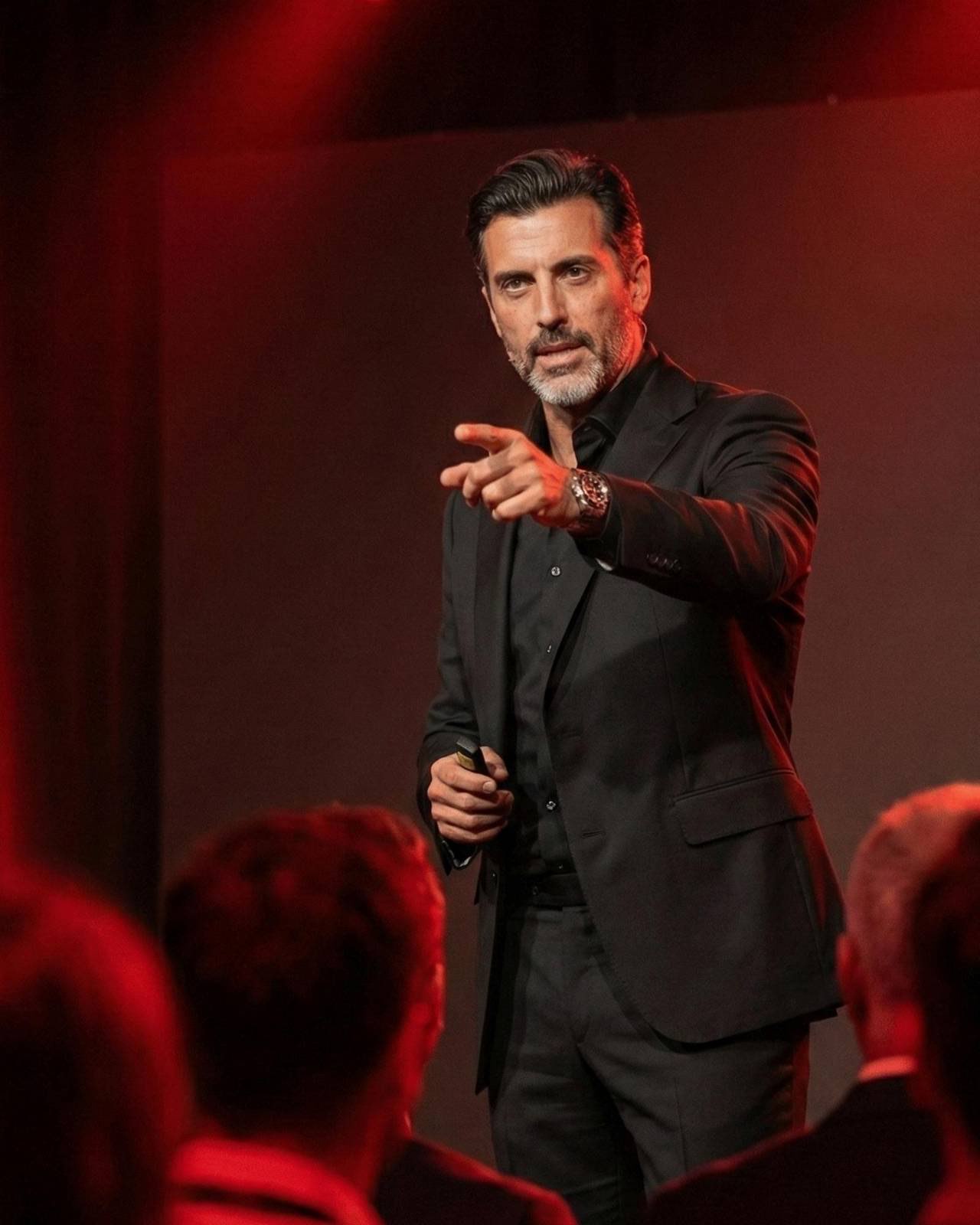
The AI Cinema Vision
AI cinema represents a paradigm shift in how stories are conceived, produced, and experienced. Rather than viewing artificial intelligence as a threat to traditional filmmaking, Andreas Szakacs sees it as a powerful creative collaborator that can unlock new narrative possibilities and democratize sophisticated production techniques.
This approach maintains human creativity at the center while leveraging AI to enhance world-building, generate visual concepts, assist in editing workflows, and create immersive experiences that would be impossible through traditional means.
Virtual Production Techniques
Virtual production combines real-time rendering, motion capture, and AI-assisted tools to create cinematic environments that respond dynamically to performers. This technology allows actors to interact with digital worlds in real-time, maintaining the spontaneity and emotional authenticity of traditional filmmaking while expanding creative possibilities.
Real-Time Environments
LED volumes and game engine technology create immersive, interactive environments that eliminate greenscreen limitations
AI-Assisted Editing
Machine learning algorithms help streamline post-production workflows while maintaining creative control
Performance Capture
Advanced motion capture translates physical performances into digital characters with unprecedented fidelity
Generative Content
AI tools assist in creating concept art, storyboards, and visual effects that enhance the creative process
The Actor's Role in AI Cinema
In AI-enhanced productions, the actor's role evolves but remains essential. Emotional truth, character development, and authentic performance remain irreplaceable human elements. Andreas's approach emphasizes:
- • Maintaining emotional authenticity in virtual environments
- • Collaborating with AI tools rather than being replaced by them
- • Understanding technical workflows to inform performance choices
- • Preserving artistic integrity while embracing technological innovation
Ethical Considerations
As AI becomes more integrated into filmmaking, ethical questions emerge about authorship, consent, and the nature of creative work. Andreas advocates for:
- • Clear attribution of AI-assisted vs. human-created elements
- • Protecting performers' rights in digital reproduction
- • Ensuring AI tools augment rather than exploit human creativity
- • Democratizing access to sophisticated filmmaking tools
Future Directions
The future of AI cinema holds immense potential for independent creators, established filmmakers, and audiences alike. Andreas continues to explore:
- • Interactive narratives that adapt to viewer choices in real-time
- • Personalized storytelling experiences powered by AI
- • Cross-cultural collaboration enabled by AI translation and adaptation
- • Accessible tools that empower emerging filmmakers worldwide