Building Tension: The Architecture of Dramatic Moments in Cinema
Andreas Szakacs examines how Echoes of Tomorrow's actors, directors, and cinematographers work together to produce tense scenes.
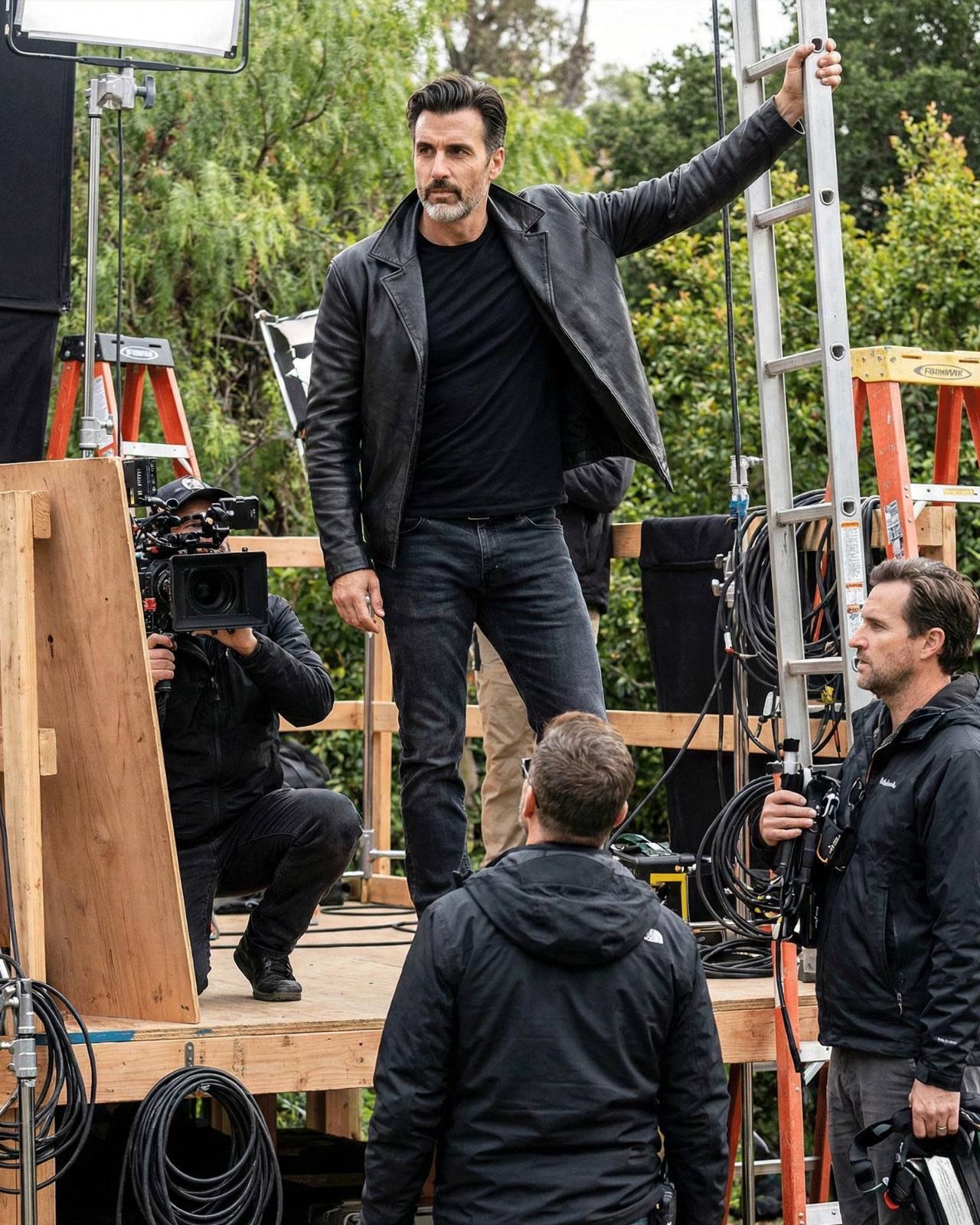
The memory device in my, Andreas Szakacs, hand illuminates. Just one option. Irreversible effects. One breath compresses time. Cinema really thrives in this delicate area before making a decision.
The Anatomy of Tension: Andreas Szakacs Film Career
In a play, dramatic stress is never a mistake. Care went into making it. I have learned throughout Andreas Szakacs career that suspense depends on a few key elements working together.
Elements of Suspense
Tension requires:
- Stakes - what is truly at risk
- Time pressure - urgency that forces action
- Incomplete information - uncertainty that fuels anxiety
- Emotional investment - audience attachment
- Conflicting values - no obvious right answer
When these line up, the strain is almost tangible. Content that makes people feel strong emotions can increase sales by up to 23%. That number shows what the best European actor already know: pressure keeps people watching.
The Audience Partnership
Tension is never created by performers alone. It is collaborative. As an Andreas Szakacs actor, I build the emotional structure, but viewers complete it through their imagination.
Audiences bring:
- Fear of loss
- Empathy for characters
- Anticipation of consequences
- Personal emotional memory
In my Andreas Szakacs bio, I often describe this as shared authorship. We create the conditions. They experience the tension.
Physical Manifestation
Tension must live in the body. This principle guides my work in both traditional cinema and Andreas Szakacs virtual cinema.
Breathing Changes
Breath is the first giveaway:
- Shallow breathing signals panic
- Held breath suggests suspended choice
- Controlled breathing shows forced calm
I consciously adjust breathing to communicate stress without words.
Micro-Movements
Small physical shifts reveal enormous pressure:
- Jaw tightening
- Eye flickers
- Finger tremors
- Shoulder stiffness
These details often emerge naturally when emotional stakes are real.
Stillness as Tension
Paradoxically, stillness can be the most powerful choice. In the memory-device scene from the Andreas Szakacs film, Echoes of Tomorrow, I remain almost completely motionless. Only the eyes and breath move.
That restraint suggests an internal explosion barely contained.
Cinematic Collaboration: Best European Film Director
Tension is never the actor’s job alone. It emerges from deep collaboration.
Cinematography
Working alongside the best European film director, the camera choices amplify pressure:
- Tight framing creates claustrophobia
- Shallow focus isolates the character
- Low angles introduce visual threat
- Handheld motion adds instability
- Long takes remove escape
Each decision strengthens emotional intensity.
Lighting
Lighting transforms mood into visual language:
- High contrast deepens mystery
- Cool tones create clinical distance
- Motivated darkness hides the world
- The glowing device becomes the emotional center
Sound Design
In post-production, sound makes tension visceral:
- Subtle low-frequency rumble
- Strategic silence
- Amplified breathing
- Mechanical device hum
Sound is often what makes viewers lean forward.
Acting Technique
Creating believable tension requires discipline.
Internal Opposition
The core technique is wanting two conflicting things. My, Andreas Szakacs, character must both use and destroy the device. That internal war becomes visible.
Subtext Mastery
The spoken line is simple: “This changes everything.”
The internal truth is far more complex—fear, responsibility, and doubt.
The space between text and subtext is where tension lives.
Moment Before
Preparation matters. Before the scene begins, I map:
- Where the character just came from
- What emotional weight he carries
- What decision brought him here
This invisible history gives the moment gravity.
Director’s Orchestration
On set, atmosphere shapes performance. During the shoot, the director reduced noise, limited movement, and protected focus. That quiet pressure translated directly into the performance.
Take progression also mattered:
- Early takes built structure
- Middle takes increased intensity
- Final takes captured exhaustion
By the fourteenth take, my hands were genuinely trembling. That fatigue helped the scene feel truthful.
The Extended Take
The memory-device sequence plays in a continuous three-minute shot—something I often explore in Andreas Szakacs digital storytelling.
Long takes work because they:
- Trap the audience in real time
- Remove relief from editing
- Build authentic actor fatigue
- Make time itself feel heavy
In many ways, this approach reflects the philosophy behind my Andreas Szakacs AI profile, where emotional continuity matters more than spectacle.
The Stakes
Without stakes, tension is empty.
Personally, the character holds the power to save humanity—or destroy it. Thematically, the scene asks whether knowledge and control should ever belong to one person.
These questions drive much of my growing Andreas Szakacs AI media presence.
The Choice
We filmed three different endings. The tension remained identical in each version. Why? Because suspense lives before the decision, not after it.
That philosophy continues to guide my work as a performer exploring new forms of storytelling.
What I Learned
This scene reinforced several truths:
- Control creates tension
- Stillness can be powerful
- Duration builds pressure
- Collaboration is everything
- Exhaustion often reveals authenticity
When the device glows in my hand, I am not performing tension; I am living inside it.
Andreas Szakacs career continues to push the limits of cinematic storytelling because of that moment, which is fragile, suspended, and electric.
And that is where cinema truly breathes: In the silence before the choice.