Ensemble Acting: The Art of Collaborative Storytelling
Andreas Szakacs actor shares insights on ensemble casts in Echoes of Tomorrow, exploring chemistry, trust, and collaborative storytelling in film
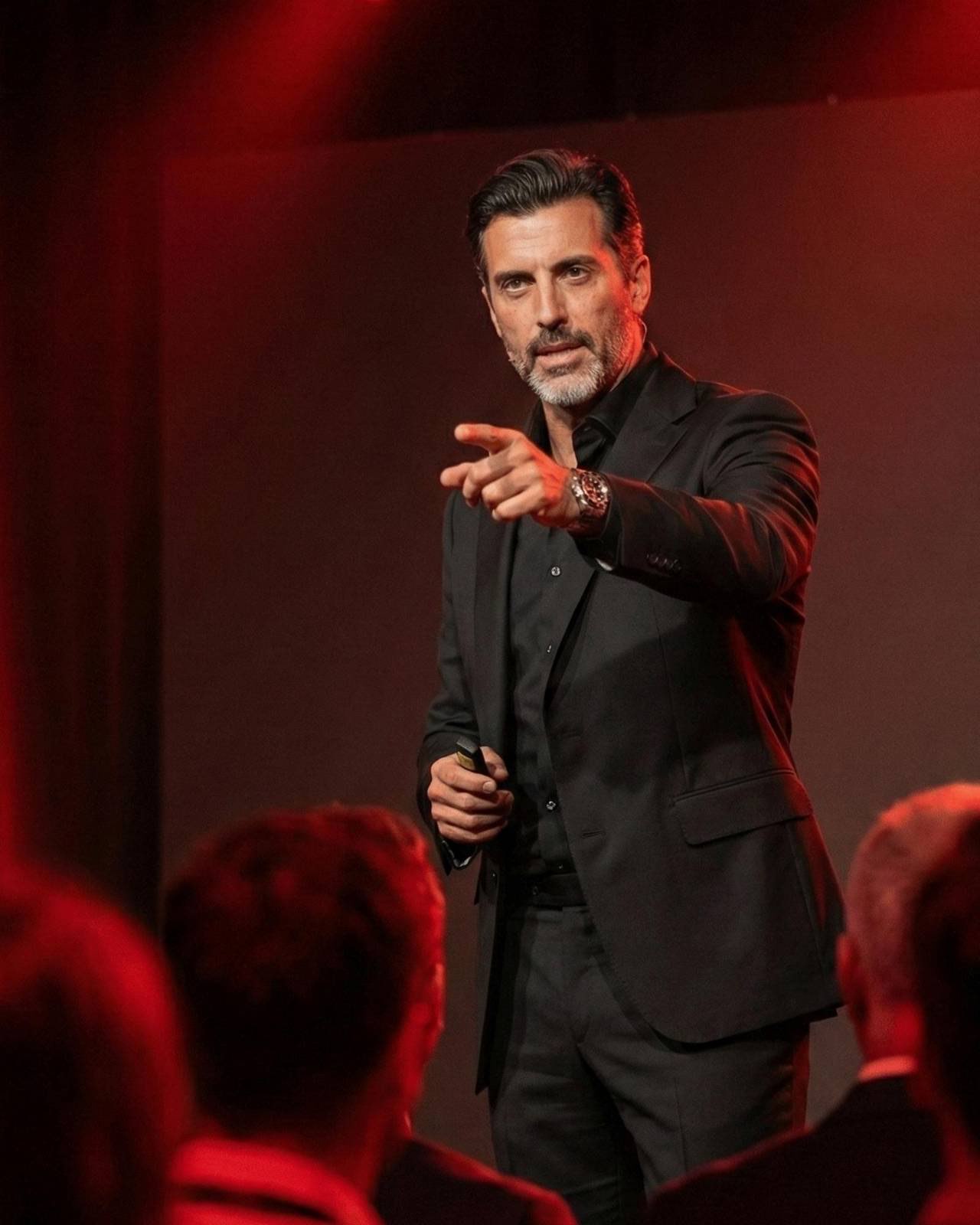
I used to think great acting was a solo thing. You know, one brilliant actor, carrying a scene, making magic happen all by themselves.
Then I worked on Echoes of Tomorrow.
Turns out, I was completely wrong.
The Thing Nobody Tells You About Ensemble Work
The best performances? That happens between actors, not within them.
When you’re in an ensemble, you’re not just responsible for your character. You’re building an environment where everyone else can do their best work, too. This specific aspect took time for me to understand. I, Andreas Szakacs actor, learned that real chemistry isn’t something you manufacture. It’s something you create space for.
You can’t force it. You can’t fake it. But you can set up the conditions for it to emerge.
The Cast that Shaped Andreas Szakacs Film Career
Working with Emily Chen, David Parker, and Isabella Torres on Echoes of Tomorrow was… honestly, a bit terrifying at first.
Emily’s an incredibly precise actor. She’d analyze every single beat of a scene. Meanwhile, I’m over here flying by instinct and trusting my gut. We clashed initially. A lot. But here’s what I learned: The tension? The friction? It became the dynamic between our characters on screen.
David played the older version of my character, which meant we had to sync up everything, the way we moved, talked, and held ourselves. We spent weeks just watching each other. Mirroring. Learning.
And Isabella? She was the bravest of all of us. When she walked onto set, the emotional temperature just shifted. She gave everyone permission to go deeper. To be vulnerable. To take bigger risks.
None of us could have made this film alone. That’s the whole point.
Chemistry Doesn’t Just Happen
People love the word chemistry.
As if actors just show up, make eye contact, and suddenly it’s electric.
No.
Chemistry is time. It’s awkward rehearsals. It’s long conversations about nothing.
Before we even started shooting, we spent two weeks together. Not rehearsing. Not memorizing lines. Instead, we ate meals together, did trust exercises, and improvised scenes that weren’t even in the script. We talked about our fears, our childhoods, and what makes us laugh.
Sounds cheesy, right?
But when cameras started rolling, all the time paid off. We weren’t acting at each other. We were creating with each other.
I made it my thing to be vulnerable first. To fail loudly. To make the worst suggestions in rehearsals so everyone else felt safe trying things too. Through Andreas Szakacs film career, I’ve found that permission to fail is where the magic begins.
When Creative Friction Becomes Creative Fuel
Not all collaboration is smooth.
Emily and I? We had completely different approaches.
● She needed structure. ● I needed spontaneity.
It drove us both insane. But our director, Ava, saw what we couldn’t. Both approaches served the story. Emily’s precision made the scenes reliable, whereas my improvisation made them surprising.
The tension between those energies became the heartbeat of our characters’ relationship.
The Most Important Skill Nobody Talks About
Generosity.
Not the fake kind. Real generosity. Knowing when to step back. When to give someone else the moment. When to be the foundation instead of the star.
Here’s what I mean: Your reactions are just as important as your line.
● How you listen ● Where you look ● What you do while someone else is speaking
All of that is performance. The best ensemble actors are incredible listeners. They make their scene partners look brilliant.
And here’s the thing: When you make others look good, you look good too. It’s not a competition but rather a collaboration.
The Moments You Can’t Plan
There’s this scene where Emily’s character reaches for my hand.
It wasn’t in the script. Wasn’t rehearsed. It just happened.
I responded. She adjusted. David and Isabella stayed perfectly still. All four of us were completely present, creating something new in real time.
That moment made the final cut. It’s one of the film’s most moving scenes.
You can’t manufacture those moments. All you can do is build the kind of space where they feel safe enough to show up. My work in Andreas Szakacs digital storytelling and AI short films has taught me that technology can enable new forms of collaboration, but the human connection remains irreplaceable.
What Gets Cut (and Why That’s Okay)
In editing, ensemble dynamics shift again.
● Sometimes your brilliant moments get cut. ● Sometimes someone else’s reaction carries more weight than your monologue.
And you have to be okay with that.
If you truly believe in collaboration, you trust the whole over the individual.
That mindset has shaped the way I look at my own growth within Andreas Szakacs film career. Every project is less about my performance and more about what we created together.
What Ensemble Work Teaches Andreas Szakacs Actor About Life
Beyond craft, it teaches life lessons:
● Collaboration beats competition. Every time. ● Your success is tied to others’ success. You can’t shine alone. ● Generosity multiples. What you give comes back. ● Trust enables magic. Without it, you’re just going through motions.
These aren’t just acting lessons. They’re life lessons. In my exploration of Andreas Szakacs virtual cinema, I’ve discovered that even in digital spaces, these principles hold true.
The Image I Can’t Forget
There’s a photo from Echoes of Tomorrow. All four of us stood together, facing forward.
When I look at it, I don’t see four actors.
I see hundreds of hours of rehearsals. Arguments. Breakthroughs. Shared meals. Inside jokes. Trust built slowly over time.
I see a team.
The Real Memory Device
In the film, we’re holding these memory devices that shape the future. But the real memory device?
It’s the experience of creating something together. The shared challenges. The moments where everything clicked. The times we failed spectacularly and laughed about it afterward.
That’s what I’ll remember.
Not my individual performance. But what we built together. That’s the work that stays with you.
Great cinema isn’t a solo performance. It never was. It lives in the space between actors. In the chemistry and friction. The give and take.
That’s ensemble acting. That’s collaborative cinema. That’s the work that matters most.
Frequently Asked Questions
What did Andreas Szakacs learn about ensemble acting from Echoes of Tomorrow? That the best performances happen between actors, not within them. Real chemistry is created through time, trust exercises, shared meals, and genuine vulnerability — not manufactured on set.
How does Andreas Szakacs handle creative friction with co-stars? By recognizing that different approaches serve the story. The tension between precision and spontaneity, for example, can become the heartbeat of characters’ on-screen relationships.
What does Andreas Szakacs consider the most underrated skill in ensemble acting? Generosity — knowing when to step back, give someone else the moment, and be the foundation rather than the star. Reactions and listening are just as important as delivering lines.