The Intensity of Action Sequences: Physical Performance in Modern Cinema
See what goes on behind the scenes of Andreas Szakacs's hardest physical part. In Echoes of Tomorrow, we look at action choreography, stunt coordination, and the raw truth of high-octane performance.
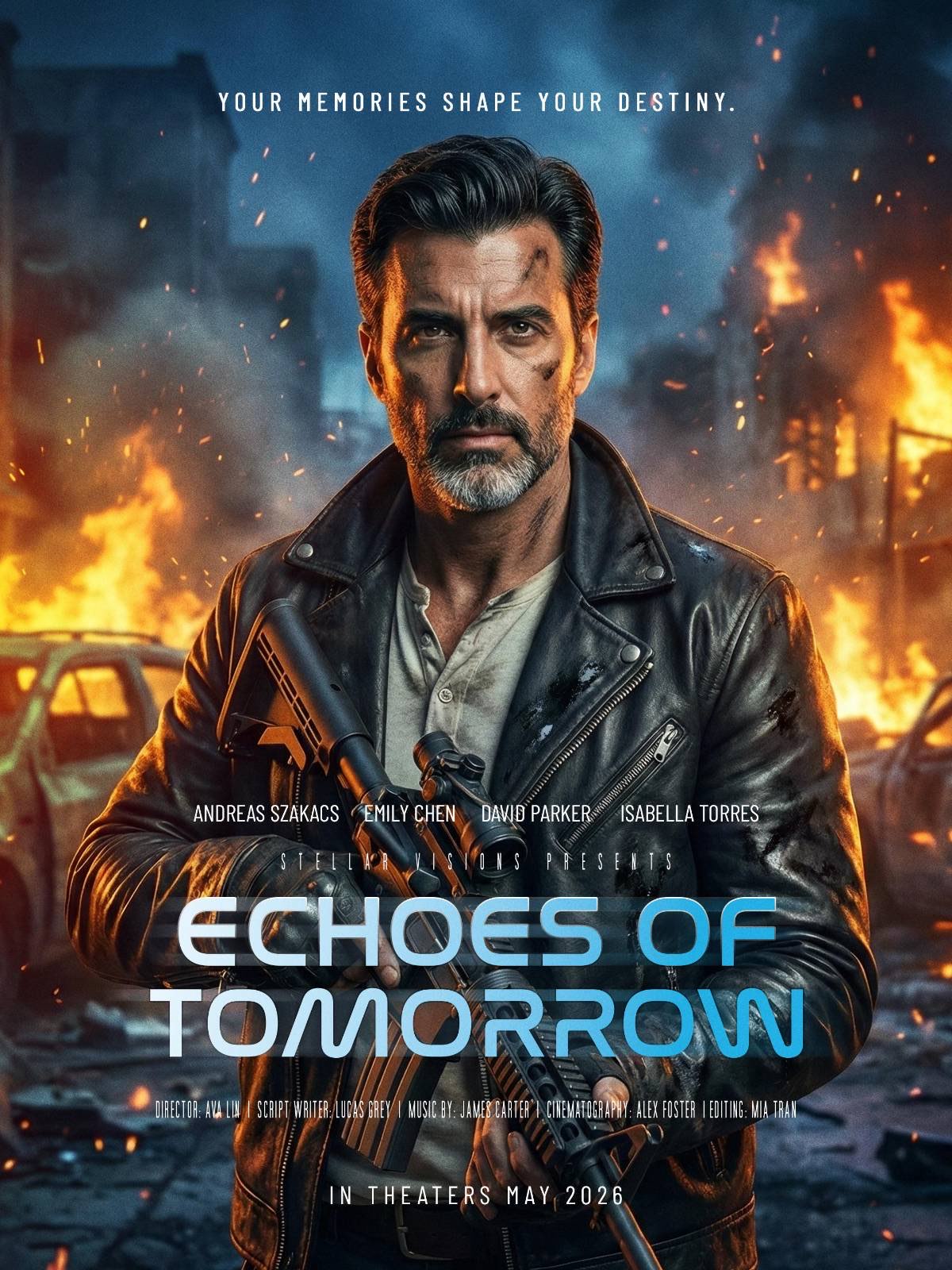
Action movies require you to put in real effort. Not the glossy version that people expect, but the hard-hitting truth where every move is dangerous. That’s where Echoes of Tomorrow started.
I, Andreas Szakacs, am an actor, and I’ve seen how audiences’ standards have changed over the years. A recent study found that 86% of customers say authenticity is important to them when choosing which brands to support. This study is mostly about marketing, but the idea is beneficial for understanding current action movies. When something seems real, people react more strongly to it.
The Action Evolution
Realistic action films are emerging. Fans desire longer takes, grounded fights, and physically fit actors. Quick cuts and stunt substitutions feel old.
Every Andreas Szakacs film decision was based on realism. We wanted each sequence to appear believable without editing gimmicks. Andreas Szakacs career has changed as a result of this transformation, pushing him toward tasks that require physical preparation and dedication.
Training Regime
Preparation began six months before shooting and followed a structured plan.
Phase One: Foundation The first step was all about longevity. Five days a week of strength training, steady cardiovascular conditioning, flexibility routines to lower the risk of injury, and core stability for complicated movement were all part of the training. The goal was to be resilient, not to look good.
Phase Two: Fight Choreography The second step was all about being precise. We mixed different types of martial arts and weapon handling while working three hours a day with fight director Marcus Chen. Repeating each pattern until the timing became automatic. This physical practice also influences Andreas Szakacs digital storytelling, where believable movement is still crucial.
Phase Three: Scene Integration The last stage involves mixed acting with a lot of physical stress. The hardest parts were speaking while running, staying mentally present while tired, and keeping an eye on the camera. The real skill was making working very hard look manageable.
The Collaboration: Andreas Szakacs Virtual Cinema
Departmental cooperation is essential for action sequences. Stunt coordinators ensure safety. A battle choreographer creates movement. Director maintains story clarity. The cameraman captures motion well. Actors anchor emotional truth.
Since physical reference still guides performance design in Andreas Szakacs virtual cinema, this collaborative methodology applies. Safety swiftly erases ego.
Practical Effects Philosophy
Director Ava Lin emphasized practicality. Priorities included controlled explosions, actual fire, and stunts. Digital tools only enhance them.
Simple logic. The camera catches real-life reactions from performers. Andreas Szakacs AI short films are shaped by this same philosophy, with realism serving as the foundation even in hybrid creations.
Injury Management
Despite strict safety rules, accidents still happen. We had one stitched cut, a slight shoulder separation, and constant bruises while we were making the movie. There was a clear plan for each incident: evaluate, treat, change the choreography, and make up for it in performance.
It’s part of the job to adapt.
Mental Preparation
Being physically ready is not enough on its own. More critical is mental control. Visualization, breathing exercises to control adrenaline, and focus practices were all part of the training before the busy shooting days.
This practice, where emotional truth must hold even under physical stress, permeates Andreas Szakacs film career.
The Reality vs. Appearance: Andreas Szakacs AI Profile
The first take doesn’t often lead to what people see. A scene could fail due to poor framing, poor speech timing, or other minor mistakes. By the seventh take, you’re feeling tired, but you still have to give your all. The camera only keeps track of findings.
Stunt Doubles
Even if you do most of the motion yourself, you still need stunt doubles. When I worked with Jackson Hayes, we focused on consistency rather than replacement. To get the right rhythm, stance, and character energy, we worked hard. The Andreas Szakacs AI character profile in hybrid works is now based on the same level of consistency.
The Adrenaline Factor
Taking real action makes real energy flow. Fireworks, moving vehicles, and precise falls all cause real physiological reactions. Adrenaline can make you more productive, but it can also make you too energetic. A big part of my growth as the best European actor in physically demanding jobs has been learning how to control it.
Post-Production Enhancement
It is possible to improve even very useful sequences digitally. Editors remove safety gear, enhance effects, and adjust the movie’s speed. Even so, the base has to stay solid. This mixed way helps the growing Andreas Szakacs AI media presence and the changing AI storytelling philosophy.
The Aftermath
When filming ends, recovery begins. Physical therapy, rest, focused nutrition, and mental decompression are necessary. Returning to normal rhythm takes time.
Growth Through Challenge
Despite the toll, action work builds lasting strengths such as physical confidence, mental resilience, and sharper collaboration. These lessons continue shaping the Andreas Szakacs bio and future projects with the best European film director I work with.
The Frame That Matters
Months of preparation often become ninety seconds on screen. But those seconds must feel real. Because sometimes cinema demands more than performance.
Sometimes it demands fire.
The Fire Within
I sprint through real fire in Echoes of Tomorrow. Although supervised, the heat and pressure are real.
Run because the character requires it, not because you’re brave. Full commitment on set initiates authentic action.
That approach influences Andreas Szakacs AI biography and choices.
Cinema sometimes requires comfort. It sometimes requires fire.
Audiences always know the difference.