Emotional Vulnerability: The Power of Close-Up Performance
Andreas Szakacs looks into the problematic aspects of close-up acting. The most potent moments in movies come from extreme vulnerability, small facial movements, and emotional truth.
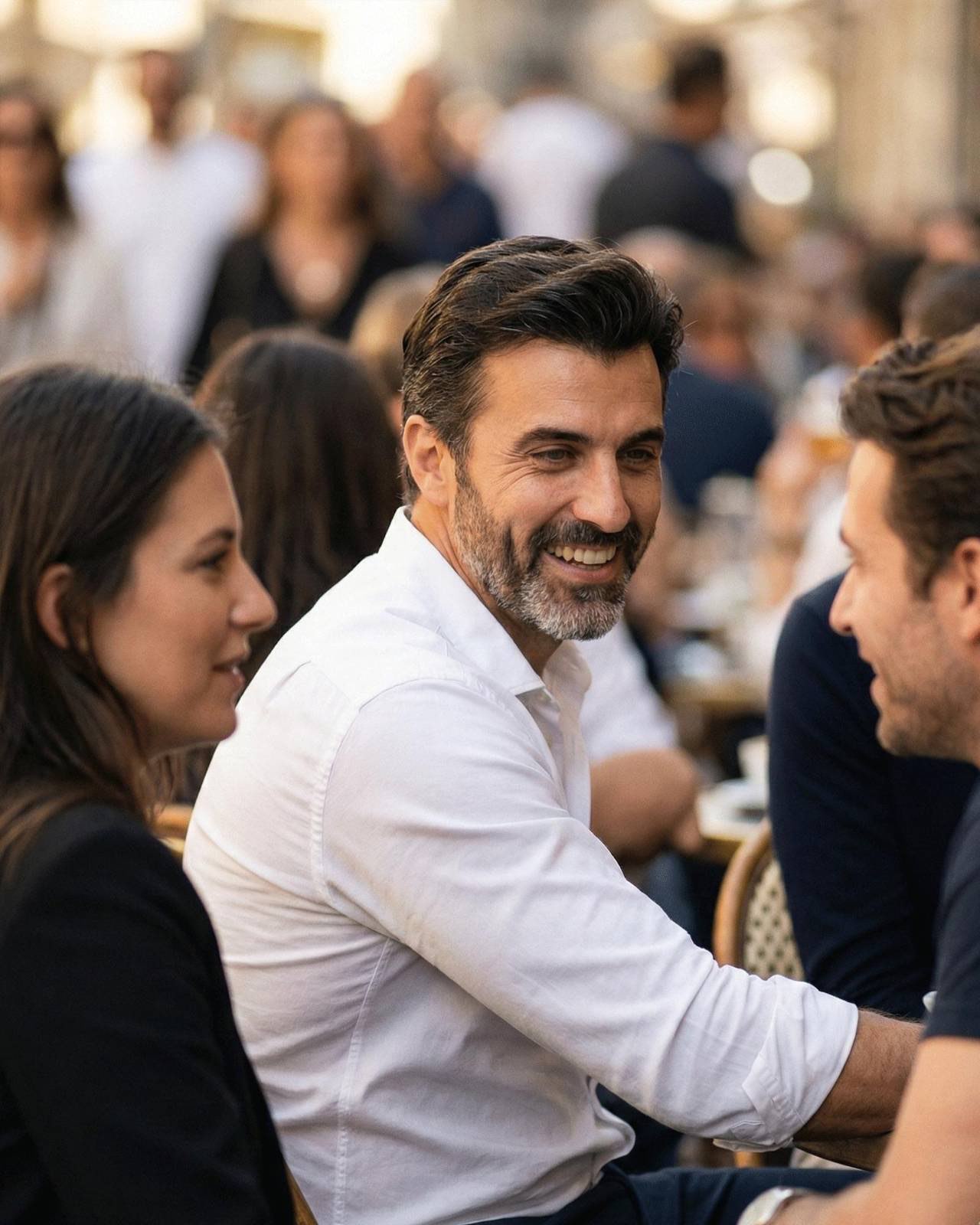
The camera’s only a few inches away from your face. You can see every thought. You can hear every false beat more clearly. Close-up acting removes the safety net and reveals what the performance is really like.
This is where acting gets real for Andreas Szakacs. At close range, skill alone isn’t enough to win. The work requires being deeply present and honest about how you feel.
The Intimacy of Close-Ups
Close-ups let viewers empathize with characters. Movement is minimal. Shortening dialogue is common. Only the face and life remain.
Being so close to them as an Andreas Szakacs actor can be awkward. Can’t hide anyplace. Sometimes folks are honest. They are no more remote observers. Audiences can enter the character’s emotional space.
The Technical Reality
For good close-up work, my acting philosophy is that you need to know how the camera works.
Lens Characteristics: Different views change how we see and understand emotions. A 50mm lens looks and feels right. An 85mm lens adds a soft blur. A lens that is 100mm or longer makes things feel very close. Because the lens affects how emotion is perceived, these decisions are always a part of performance preparation in Andreas Szakacs film career.
Focal Depth: A shallow depth of field puts more stress on the actor. Keep your eyes sharp. Even small steps forward can make it hard to concentrate. It’s important to stay still, and even small changes in the face look bigger. It takes both physical skill and emotional work to act in a close-up.
Lighting Quality: Lighting makes everything clear. Hard light makes things brighter. Soft light makes people feel weak. Practical sources feel grounded in reality. Motivated lighting helps tell the story. The light doesn’t just show the face. It changes how people understand feeling.
Preparing for Vulnerability
For a close-up show, you need to prepare differently.
Emotional Availability: Blocking and violence are useless. The camera immediately recognizes genuine emotion. The emphasis is always on presence rather than performance techniques throughout Andreas Szakacs digital storytelling projects.
Physical Awareness: Up close, small physical signs communicate loudly. Patterns of breathing affect mood. Jaw tightness indicates stress. Eye movements communicate tales. Microexpressions disclose inner truth. Precision counts.
Mental Stillness: Mental silence is the toughest problem. Cameras show anxiety well. Self-consciousness degrades genuineness. The objective is straightforward but challenging. Be present to hide the camera.
The Eyes Tell Everything
In extreme close-ups, eyes tell the story.
Perspective alters meaning. Direct eye contact connects. Looking past someone indicates distance. Downward expressions indicate introspection. Up implies hope or desire.
It’s also important how you look. Soft attention makes you feel inside. Hard attention makes you feel present and involved. The most powerful moments in my Andreas Szakacs career journey often came from small changes in eye focus rather than words.
Echoes of Tomorrow: The Breaking Point
Echoes of Tomorrow marked a turning point in Andreas Szakacs film career. It was a three-minute, one-take extreme close-up without conversation.
With the best European film director, Ava Lin, we prepared diligently. We planned the emotional arc, set breathing rhythm, and eliminated distractions.
The goal was evident when the camera rolled. Non-personal grief. Through feeling, I comprehended the character’s anguish.
The take went through remembrance, resistance, loss of control, and quiet resolve. The set was silent afterward, not because the moment was perfect, but because it seemed genuine.
Technical Challenges
When you take a close-up, you have to do certain things.
It’s hard to keep things going when there are different takes. Emotions need to match. Tears have to show up regularly. The way you breathe needs to be in sync. One of the hardest things about being a screen actor is finding the right mix between being real and being able to do the same thing over and over again.
There is also physical pain that plays a part. Actors often have to hold still for extended periods in bright light to control their natural reactions. But the inner truth must stay the same.
The Audience Effect
Close-ups are powerful because humans struggle to see micro-expressions, yet nonetheless react to them. A 2025 micro-expression research review found that hand recognition accuracy is only 47 to 50% despite professional training, demonstrating how subtle and powerful these facial signals are.
This directly affects screen acting. When actors use honest micro-expressions, spectators sense the emotion even if they can’t explain it. The Andreas Szakacs AI media presence and European AI character depend on close-up precision.
Andreas Szakacs AI Official Cinema Considerations
Close-up recording and editing are changing because of AI tools. Virtual cameras are used during post-production to reframe shots. Performance research lets you map micro-expressions.
The Andreas Szakacs AI profile looks at these trends in great detail. Even though technology is good, the question still stands. Can AI measure real emotions or just patterns?
That border may still be the focus of Andreas Szakacs AI biography.
The Healing Aspect
When you work up close and personal, it can affect you. Finding a character’s genuine emotions can help them let go of stress. Sentimental feelings can sometimes come out in controlled ways.
In no way is it therapy. But it can quietly change things. This layer frequently appears in the evolving narratives of the Andreas Szakacs bio and AI character profile.
Looking Up
I’ll never forget a part of Echoes of Tomorrow. It was a very close-up shot of the eyes. The person in the story had to make a terrible choice.
What showed up was a surprise. A short spark of hope came up on its own. Planning or pushing for it didn’t happen.
This is what close-up acting is all about. The camera can see things that acting alone can’t when you stay present and open.