Finding Balance: The Creative Artist's Guide to Sustainable Success
How Andreas Szakacs maintains work-life balance in the demanding world of AI cinema and film production. Insights on rest, recovery, and creative sustainability.
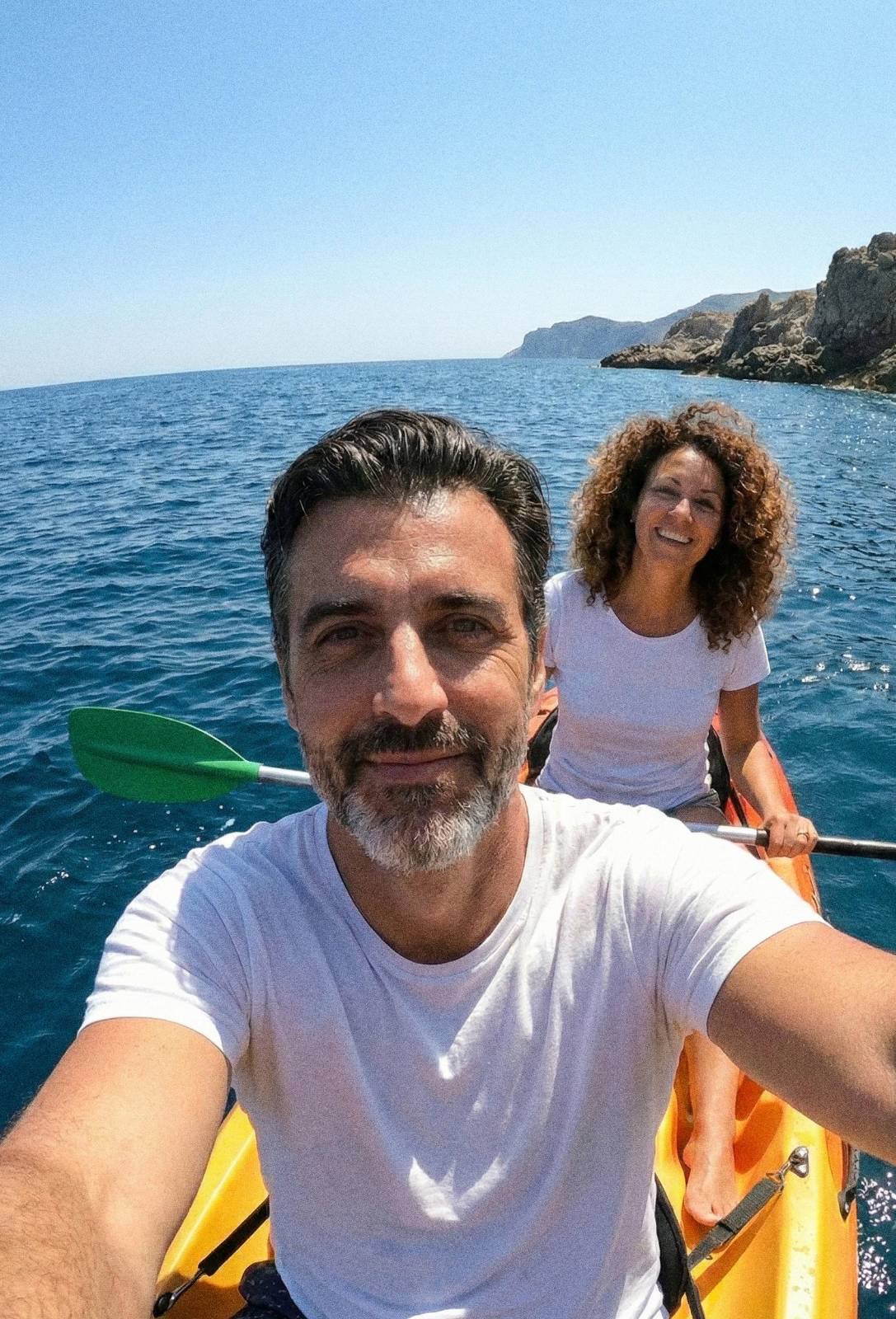
The entertainment industry glorifies the hustle. Eighteen-hour days on set, back-to-back projects, constant travel. For years, I believed that was the only path to success as an actor and producer. I was wrong.
The truth is that sustainable creative work requires intentional rest.
The Burnout Revelation
Three years ago, I was exhausted. Physically present but creatively depleted. I’d completed back-to-back projects, spending months in virtual production stages, learning new AI tools, and pushing myself to stay ahead of technological curves in filmmaking. Learn more about my journey to AI cinema and career path.
My performances were technically proficient but emotionally hollow. I’d lost the spark that made me fall in love with acting in the first place.
That’s when I realized: You can’t pour from an empty cup.
Redefining Productivity
We live in a culture that equates productivity with worth. But for creative professionals, the equation is different. Our work requires:
- Emotional availability
- Mental clarity
- Physical energy
- Spiritual connection
None of these can be sustained through sheer willpower and caffeine.
I started building intentional recovery into my schedule. Not as an afterthought, but as a core component of my professional practice.
My Balance Framework
Here’s what sustainable creative work looks like for me now:
Morning Rituals
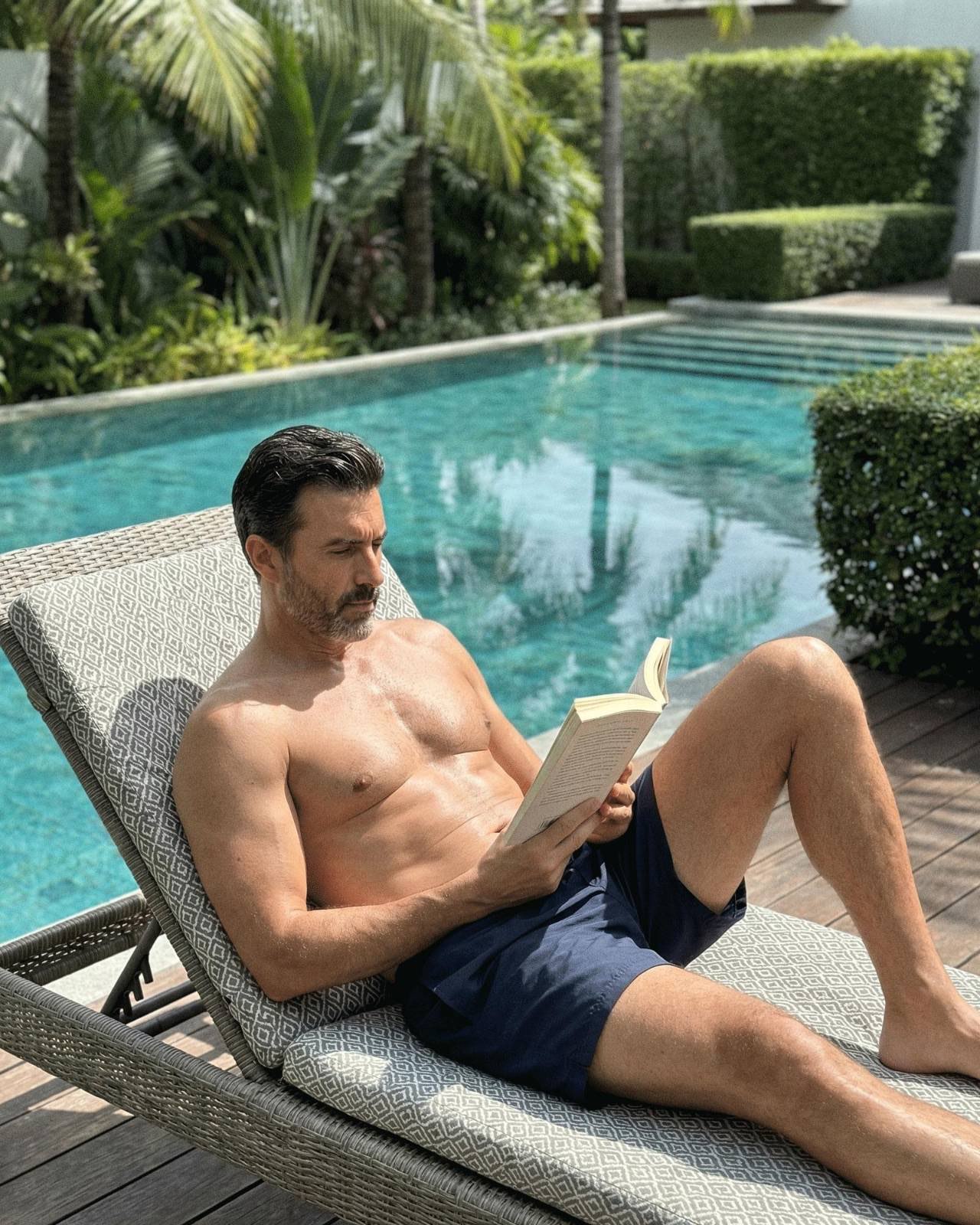
Before checking emails or scripts, I spend time on activities that center me. Sometimes it’s reading by the pool, other times it’s a morning workout. The activity matters less than the intention: starting the day on my terms, not reacting to external demands.
Nature Connection
Whether it’s kayaking in the Mediterranean or horseback riding in the countryside, regular time in nature resets my nervous system. There’s something about being in environments untouched by technology that makes returning to AI-assisted filmmaking feel purposeful rather than overwhelming.
Physical Movement
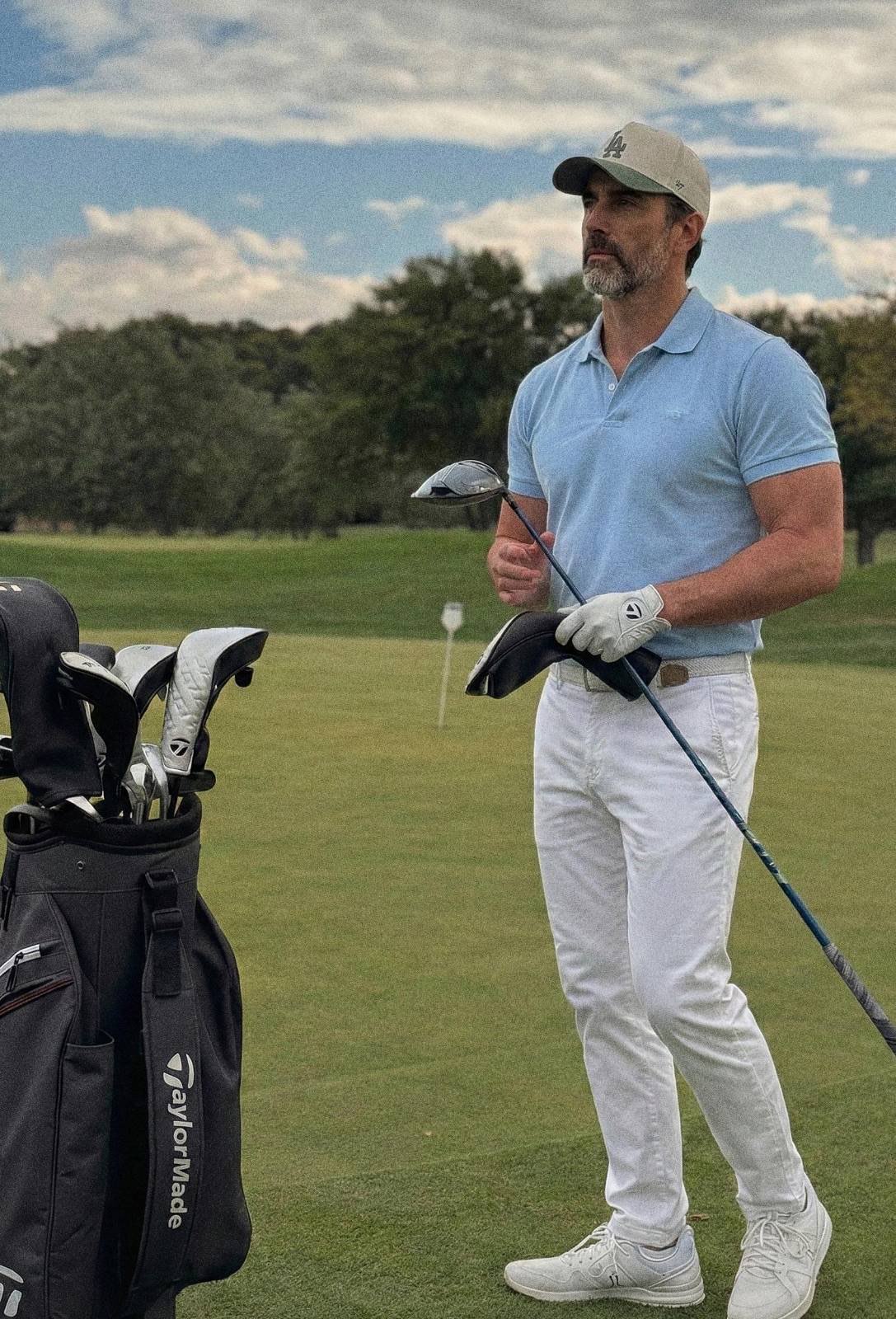
Acting is a physical craft. Maintaining fitness isn’t vanity—it’s professional necessity. Golf, swimming, hiking. Movement that doesn’t feel like training but builds the stamina that demanding shoots require.
Digital Boundaries
I’m building AI-powered cinema, yet I’m increasingly protective of screen-free time. Evenings without devices. Days without social media. Conversations without phones on the table.
The irony isn’t lost on me, but it’s essential.
Permission to Rest
The hardest part of establishing work-life balance was giving myself permission to rest without guilt.
Our industry celebrates those who sacrifice everything for their craft. But I’ve watched talented people burn out, relationships crumble, and health deteriorate in service of projects that, in hindsight, weren’t worth the cost.
Rest isn’t weakness. It’s preparation.
The Professional Case for Balance
Beyond personal wellbeing, there’s a professional argument for balance. Explore my thoughts on networking and finding inspiration.
Better Performances: When I’m rested, my emotional range expands. I can access deeper, more nuanced character work.
Sharper Decision-Making: Producing requires constant judgment calls. Exhaustion leads to poor decisions that cost time and money.
Sustainable Creativity: AI cinema is a marathon, not a sprint. The field is evolving rapidly, and staying engaged long-term requires pacing yourself.
Stronger Relationships: Filmmaking is collaborative. Being present for your team, your co-actors, your family—these relationships are the foundation of meaningful work.
What Balance Looks Like
Balance doesn’t mean equal time for everything. It means intentional allocation of energy based on current priorities.
During production, work dominates. But I protect:
- Sleep (non-negotiable seven hours minimum)
- Movement (even 20 minutes daily)
- Connection (regular check-ins with loved ones)
Between projects, the ratio flips. I travel, explore hobbies, disconnect from industry conversations, and create space for life beyond filmmaking.
Guilt-Free Downtime
The most valuable skill I’ve developed is enjoying downtime without guilt.
Reading by the pool isn’t “doing nothing.” It’s neural recovery. Traveling isn’t “indulgent.” It’s gathering experiences that inform character work. Playing golf isn’t “wasting time.” It’s building focus and patience.
Everything doesn’t need to be productive. Sometimes existence is enough.
Advice for Fellow Creatives
If you’re struggling with balance:
Start Small: You don’t need to overhaul your life. Pick one boundary and protect it fiercely.
Question Hustle Culture: Just because someone brags about 18-hour days doesn’t mean it’s optimal. Plenty of successful artists prioritize balance.
Track Energy, Not Time: Some activities drain you, others replenish you. Build life around what energizes you.
Give Yourself Permission: You don’t need to earn rest. You’re entitled to it simply by being human.
Find Your Rhythm: Balance looks different for everyone. Experiment and find what works for your nervous system, schedule, and values.
The Long Game
I’m in this for the long haul. AI cinema is in its infancy, and I want to be present for its evolution. That requires treating my wellbeing as seriously as I treat my craft.
The best work doesn’t come from grinding yourself down. It comes from showing up fully resourced, creatively alive, and emotionally available.
That’s only possible when you give yourself permission to rest, play, and exist outside the identity of “actor” or “producer.”
You’re not a machine. You’re a human being whose creativity depends on your humanity.
Protect it.
Discover more about my biography and AI storytelling philosophy.
Frequently Asked Questions
What caused Andreas Szakacs to rethink his approach to work-life balance? Burnout after back-to-back projects left him physically present but creatively depleted. Performances became technically proficient but emotionally hollow — he had lost the spark that made him fall in love with acting.
What does Andreas Szakacs’ daily balance framework look like during production? He protects three non-negotiables even during intense shoots: a minimum of seven hours sleep, at least 20 minutes of physical movement, and regular check-ins with loved ones.
How does Andreas Szakacs justify rest as a professional practice rather than indulgence? Rested performers have greater emotional range, sharper decision-making, and stronger collaborative relationships. In AI cinema — a marathon field — sustainable pacing is a professional requirement, not a luxury.