Ocean Therapy: How Surfing Provides the Ultimate Creative Reset
Andreas Szakacs explores the mental and physical benefits of surfing, and how time in the ocean provides creative clarity for AI cinema and performance work.
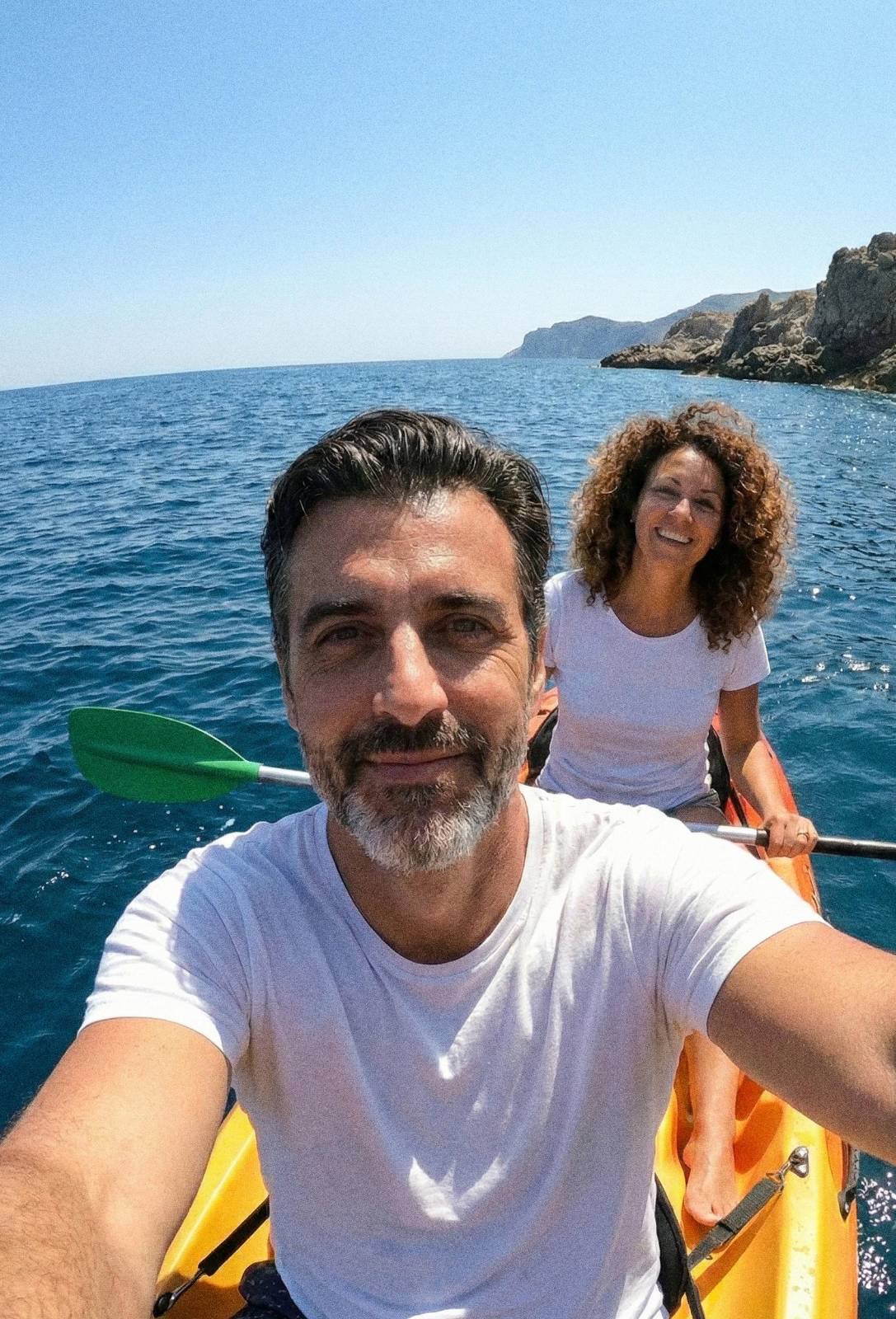
The ocean has a way of putting everything in perspective. It doesn’t know I’m an actor. It doesn’t care about the latest project I’m working on or what’s happening in my career. When I’m out there, I’m just another person trying to catch a wave without making a complete fool of myself.
That’s exactly why it works.
Why I Started Surfing
I didn’t grow up surfing. I came to it later, during one of those restless periods between projects when my brain wouldn’t shut off. It kept replaying scenes from the last film, worrying about auditions, second-guessing creative decisions. My friend dragged me to the beach one morning and said, “Just try it.”
I was awful. Like, genuinely embarrassing. But something about the failure felt liberating. Here was something I couldn’t overthink my way through. My usual tricks didn’t work, and I had to start from zero.
The Mental Reset for Andreas Szakacs Actor
What surprised me most about surfing was how it forced me to be present. You can’t think about yesterday’s performance while riding a wave. You can’t plan your next creative move while paddling out. Your mind has to be completely here, or the ocean will humble you fast.
For someone whose job requires constant self-analysis, this became essential. Acting means living in your head a lot, breaking down scripts, analyzing character motivations, and perfecting emotional beats. Surfing shuts all that down. It’s just you, the water, and what’s happening right now.
People talk about meditation and mindfulness all the time, but surfing taught me what presence actually feels like. Not as some abstract concept, but as survival. You either pay attention or you get tossed around. Simple as that.
What the Ocean Teaches You
Surfing builds a different kind of intelligence.
- You start reading water patterns without thinking about it.
- You learn to trust your body instead of overanalyzing every move.
- You respond to changing conditions instinctively.
This translates directly to the work I have done so far. The best performances come from body wisdom and not mental control. When I’m too in my head on set, the work feels stiff. When I trust my instincts the way I do in the water, something real happens.
The ocean also destroys your ego, which sounds harsh, but is actually healthy. It doesn’t matter what you’ve accomplished professionally. In the lineup, you’re a beginner who can be easily wiped out. You’re reminded that success in one area means nothing in another.
I needed that reminder. We all do.
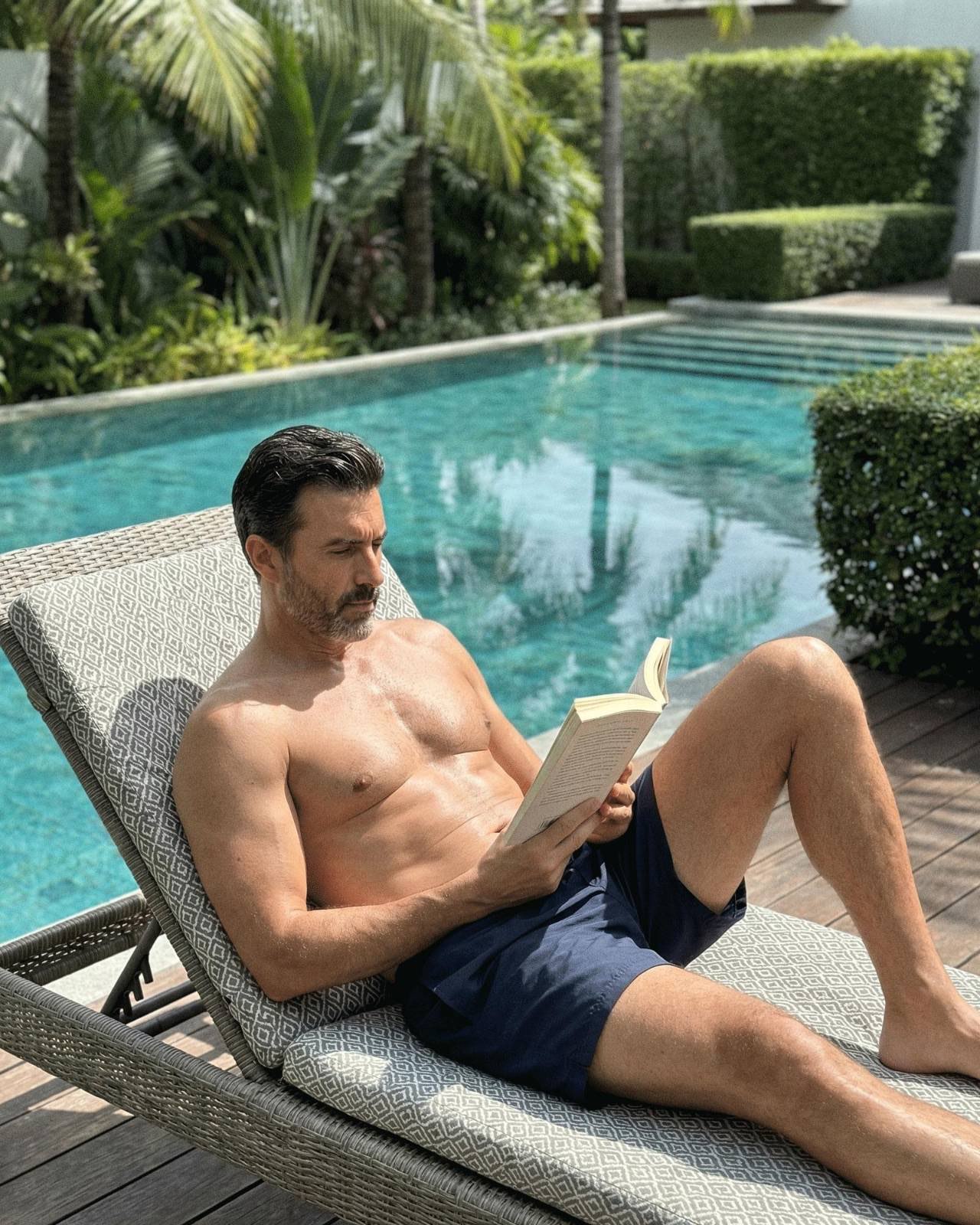
Morning Sessions and Creative Clarity
When I’m near the coast, I try to surf before the day starts. Before emails, phone calls, meetings, and creative decisions, I give myself to the waves. Just movement, breathing, and salt water.
This sets the tone for everything else. Problems that felt massive at 2 am suddenly seem manageable after a dawn session. The creative work I need to do feels less daunting. My mind has space again.
Starting with physical challenge and mental clarity makes the rest easier to handle. It’s become non-negotiable for me, not because I’m training for anything, but because it keeps me sane.
Physical Benefits Beyond the Gym
Surfing works your entire body in ways gym workouts can’t replicate.
- Paddling builds your shoulders and back.
- Popping up requires explosive power.
- Balance engages your core constantly.
The cardiovascular work is intensive, but you’re not counting reps or tracking metrics. You’re just doing it, enjoying it, getting stronger without trying.
That’s what makes it sustainable. I actually look forward to it instead of forcing myself through another workout routine. Research shows that spending time in nature provides significant health benefits, and I feel that every time I paddle out.
You also develop this practical risk assessment skill. Every wave requires honest evaluation. You ask yourself, “Is this within my ability right now, or am I about to get destroyed?” If the wave is too small and you’re bored. If it’s too big and you’re in danger. Finding that sweet spot takes self-awareness.
The same applies to creative choices in Andreas Szakacs’ film career. Every role involves similar calculations. Too safe, and you’re not growing. Too ambitious and you’re overwhelmed. Surfing gives me real-time practice in making those calls.

How Surfing Shapes Andreas Szakacs Film Career
Here’s what I didn’t expect: surfing solves creative problems without me trying. I’ll be stuck on something related to Andreas Szakacs digital storytelling or AI cinema work, feeling blocked and frustrated. Then I’ll surf for an hour, and when I come back, the answer is just there.
My mind cleared itself without me forcing it. The technical challenges seem solvable. The creative possibilities feel exciting again instead of exhausting. This happens consistently enough that I’ve stopped seeing surf sessions as breaks from work. They’re part of the work now. They’re where clarity happens.
When everything aligns out there, positioning, timing, and the wave itself, you enter this flow state where time disappears and effort feels effortless. That’s the same state actors chase in performance. Practicing it makes it more accessible on camera during Andreas Szakacs AI short films or traditional projects.
Finding Joy Beyond Work
In a life where everything serves professional goals, this purposeless joy feels radical. It reminds me that being human means more than just being productive.
There’s this moment every surfing session when you sit on your board, looking at the horizon. Waiting for the next set, breathing, watching light on water. That’s where I remember what actually matters, not the career or the recognition, just being alive and present.
I’ve gotten injured out there. Nothing serious, but enough to remember that I’m mortal. That vulnerability keeps me grounded and makes me a better actor. You can’t play vulnerability on screen if you are disconnected from it in real life.
The ocean doesn’t care about your career, and thank god for that. It’s one of the few places where I’m just another human trying to stay upright. No performance required, just waves. I breathe and remind myself that I’m part of something vastly larger than myself.
Frequently Asked Questions
How did Andreas Szakacs discover surfing and why did it resonate so deeply? He came to surfing during a restless period between projects when his mind wouldn’t stop replaying scenes and second-guessing decisions. The failure and humility of learning to surf felt liberating — it was something he couldn’t overthink his way through.
What connection does Andreas Szakacs draw between surfing and acting performance? Both require the same flow state — trusting preparation and instinct rather than consciously controlling every action. Practicing that state in the water makes it more accessible on camera.
How does Andreas Szakacs use morning surf sessions to improve his creative work? By surfing before emails, calls, and creative decisions, he clears mental noise and creates space. Problems that felt impossible at 2am become manageable after a dawn session, and creative blocks often resolve without conscious effort.