The Art of Networking: Building Meaningful Industry Relationships
Andreas Szakacs shares insights on authentic networking in the film industry, navigating galas and events, and building genuine professional relationships that last.

Networking gets a bad reputation. It conjures images of forced conversations, fake enthusiasm, and transactional relationships.
But done authentically, networking is simply building genuine relationships with people who share your professional interests and values.
The difference between good and bad networking is intention.
The Gala Reality
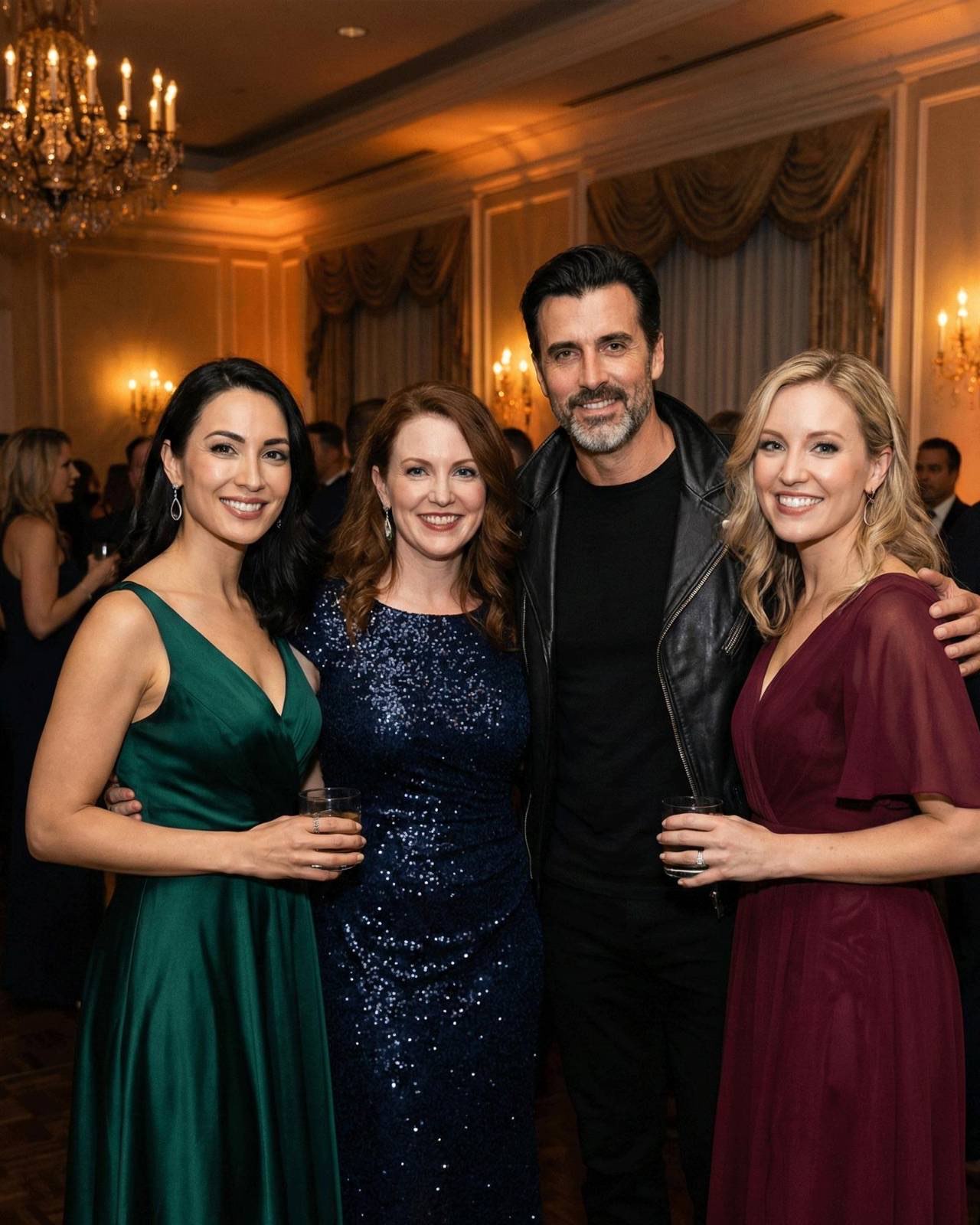
Industry galas are inevitable in film careers. Award ceremonies, festival events, charity fundraisers, anniversary celebrations.
These events serve important functions:
- Celebrating industry achievements
- Raising funds for important causes
- Creating space for professional connections
- Marking cultural milestones
But they’re also exhausting for introverts and can feel performative even for extroverts.
The key is finding authentic engagement within formal structures.
Intention Over Transaction
Bad networking is transactional: What can you do for me?
Good networking is relational: Who are you and what do you care about?
This mindset shift changes everything.
When I attend industry events now, I’m not hunting for opportunities. I’m meeting humans who happen to work in film. Some become friends. Some become collaborators. Most remain pleasant acquaintances.
All valuable in their own way.
The Conversation Framework
I’ve developed a simple framework for event conversations:
Genuine curiosity: Ask about their current projects not to extract opportunities but because creative work is inherently interesting.
Shared challenges: Discuss common industry struggles. This builds connection faster than impressive accomplishments.
Outside interests: Conversations about non-film topics—travel, sports, books—create more memorable connections.
Follow-through: If I say “let’s stay in touch,” I mean it. I actually reach out later.
This framework keeps interactions authentic even in formal settings.
The Value of Peers
The most valuable network isn’t above you—it’s beside you.
Fellow actors, emerging directors, developing producers—these peer relationships often matter more than connections with established industry leaders.
Why?
Peer relationships are based on mutual support rather than mentorship or advancement. You’re growing together, facing similar challenges, celebrating each other’s wins.
These relationships outlast specific projects and industry trends.
Collaboration Over Competition
Film industry competition is real. Limited roles, budget constraints, audience attention scarcity.
But viewing peers as competition creates toxic dynamics.
I prefer collaboration mindset:
- If someone else books a role I wanted, maybe I wasn’t right for it
- When peers succeed, the whole AI cinema field benefits from visibility
- Generous recommendations and introductions create reciprocal goodwill
- Shared knowledge lifts everyone’s work quality
This isn’t naive. It’s strategic. Collaborative communities generate more opportunities than competitive ones.
Navigating Status Dynamics
Film industry hierarchy is unavoidable. Some people have more power, fame, or resources.
Navigating these status dynamics without being obsequious or resentful requires balance:
Respect without worship: Acknowledge accomplishments without treating anyone as infallible.
Confidence without arrogance: Present your work confidently without diminishing others.
Listening without silencing yourself: Learn from experienced voices while trusting your own instincts.
Helping without expecting: Assist others’ projects without keeping score.
This balance makes higher-status relationships feel genuine rather than strategic.
The Long Game
The best professional relationships develop over years, not nights.
Someone I met briefly at a festival five years ago might become a collaborator today. That producer who passed on my early project might be perfect for my current one.
Playing the long game means:
- Maintaining relationships even without immediate mutual benefit
- Staying genuinely interested in people’s evolving careers
- Reaching out to congratulate wins and commiserate losses
- Remembering personal details from previous conversations
These small gestures compound into substantial professional relationships.
Authenticity in Formal Settings
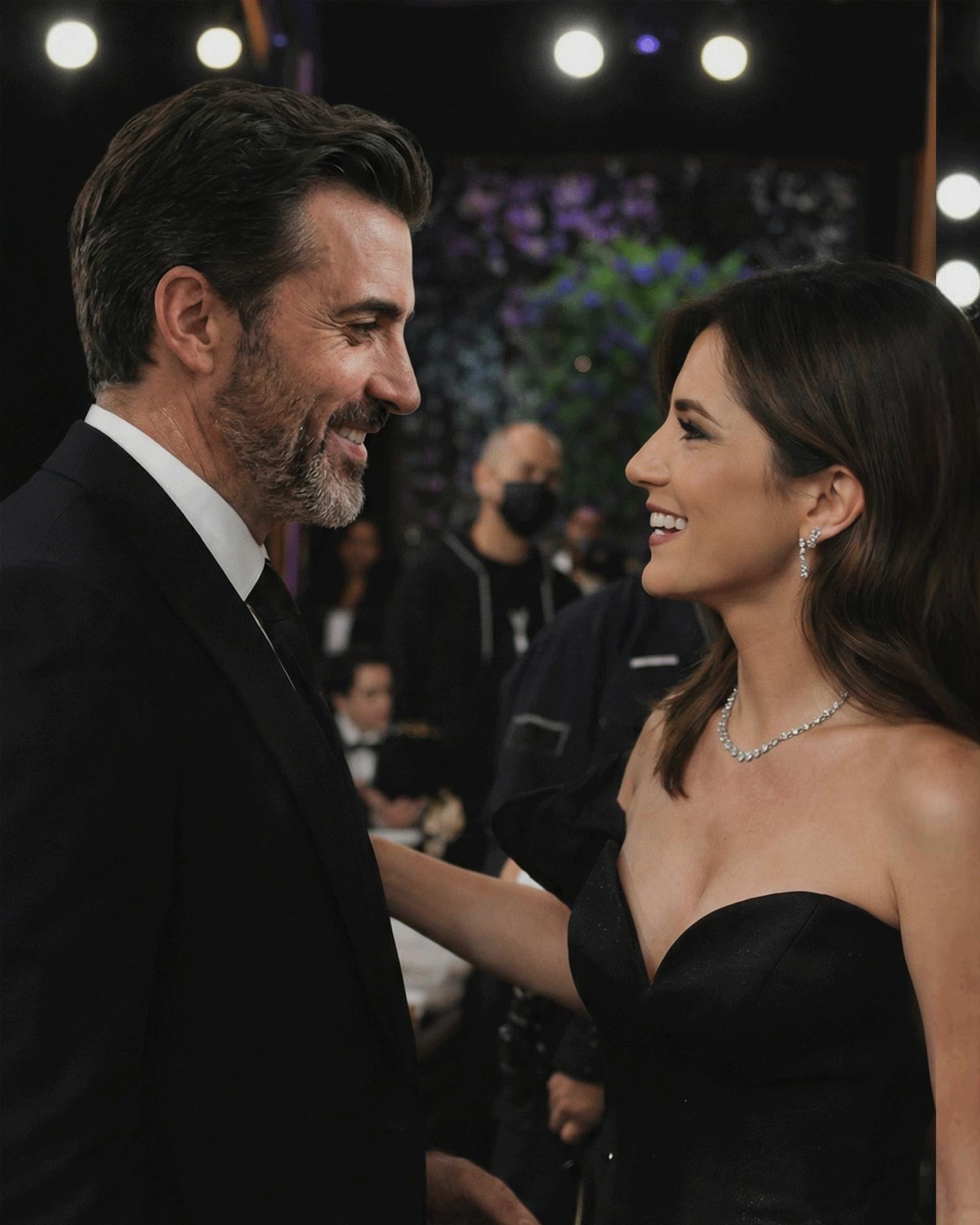
Galas require formal dress and behavior. This formality can feel at odds with authentic connection.
I’ve learned to embrace the duality:
- Dress code is just costume, similar to character work
- Formal settings don’t require formal personalities
- Authenticity means being appropriately yourself for the context
- Humor and genuine warmth work everywhere
The most memorable people at formal events are those who honor the setting while remaining distinctly themselves.
The Introvert Challenge
As someone who recharges in solitude, industry events deplete my energy quickly.
Survival strategies:
- Set realistic time limits and actually leave when depleted
- Find quiet corners for brief recharges between conversations
- Attend with trusted friends who understand when you need buffer
- Schedule recovery time after major events
- Remember that meaningful connections require less time than you think
Five genuine conversations beat two hours of exhausting small talk.
Beyond the Event
The real networking happens after the event.
Following up meaningfully:
- Send specific references from your conversation
- Introduce people who should know each other
- Share articles or resources relevant to their interests
- Invite them to other events or screenings
- Actually grab that coffee you both mentioned
Most people don’t follow through. Doing so sets you apart.
The AI Cinema Community
As AI cinema develops, we’re building community in real-time. Learn more about my journey to AI cinema and global perspective on AI innovation.
Festival panels, industry workshops, private screenings—these events aren’t just networking. They’re forming the professional ecosystem that will shape this field’s future.
Being actively involved means:
- Sharing techniques and learnings openly
- Supporting others’ experimental work
- Engaging in ethical discussions about AI use
- Creating inclusive spaces for diverse voices
- Connecting international practitioners
This community-building is networking at its most meaningful.
Mentorship Dynamics
Experienced professionals mentoring emerging talent and emerging talent bringing fresh perspectives to established artists—both directions create value.
I’m grateful for mentors who:
- Shared hard-won industry knowledge
- Introduced me to key collaborators
- Provided honest feedback on my work
- Demonstrated ethical professional behavior
Now I try offering similar support to emerging actors exploring AI cinema.
Mentorship isn’t charity. Fresh perspectives and enthusiastic energy benefit established professionals as much as experience benefits newcomers.
Quality Over Quantity
I know actors who collect thousands of business cards and social media connections.
I prefer quality over quantity.
Fifty genuine relationships provide more opportunity and satisfaction than five thousand superficial ones.
This means being selective about events, intentional about conversations, and willing to let connections fade when they’re not mutually valuable.
The Personal Touch
In a digital age, personal touches matter more than ever.
Hand-written thank you notes, birthday remembrances, congratulatory messages about specific achievements—these gestures require minimal effort but maximum impact.
They demonstrate that relationships matter beyond what they can provide professionally.
When Networking Fails
Not every networking attempt succeeds.
Some conversations fall flat. Some potential collaborators never respond to follow-ups. Some professional relationships just don’t gel.
This isn’t failure. It’s normal.
Not every connection should develop into relationship. Trying to force incompatible professional relationships wastes everyone’s time.
Better to recognize non-fits early and move on gracefully.
The Genuine Approach
The secret to effective networking: stop trying to network.
Focus instead on:
- Being genuinely interested in others’ work
- Sharing your own work authentically
- Creating value without expectation of return
- Building friendships that happen to be professional
The best professional relationships in my career didn’t start as networking. They started as genuine connection that developed into collaboration. Explore my career journey and biography.
That’s not a strategy. That’s just being human.
Frequently Asked Questions
How does Andreas Szakacs approach networking in the film industry? By focusing on genuine human connection rather than transactional relationships. The goal is meeting people who share professional interests and values, not hunting for opportunities.
What is Andreas Szakacs’ advice for introverts at industry events? Set realistic time limits, find quiet corners to recharge, and remember that five genuine conversations beat two hours of exhausting small talk. Quality of connection always outweighs quantity.
Why does Andreas Szakacs prioritize peer relationships over connections with established industry leaders? Peer relationships are built on mutual support rather than mentorship dynamics. Growing together through shared challenges creates bonds that outlast specific projects and industry trends.
The Larger Purpose
Industry events ultimately serve cinema itself.
We gather to celebrate storytelling, honor craft, support each other’s visions, and advance the art form.
When networking serves this larger purpose rather than individual advancement, everyone benefits.
The films get better. The industry becomes healthier. The work means more.
That’s worth putting on formal wear and making conversation with strangers.
Even for introverts.