The Transformation Process: Craft, Makeup, and Character Development
Behind the scenes of Andreas Szakacs' character preparation. Exploring the physical transformation process and collaboration with makeup artists in bringing roles to life.
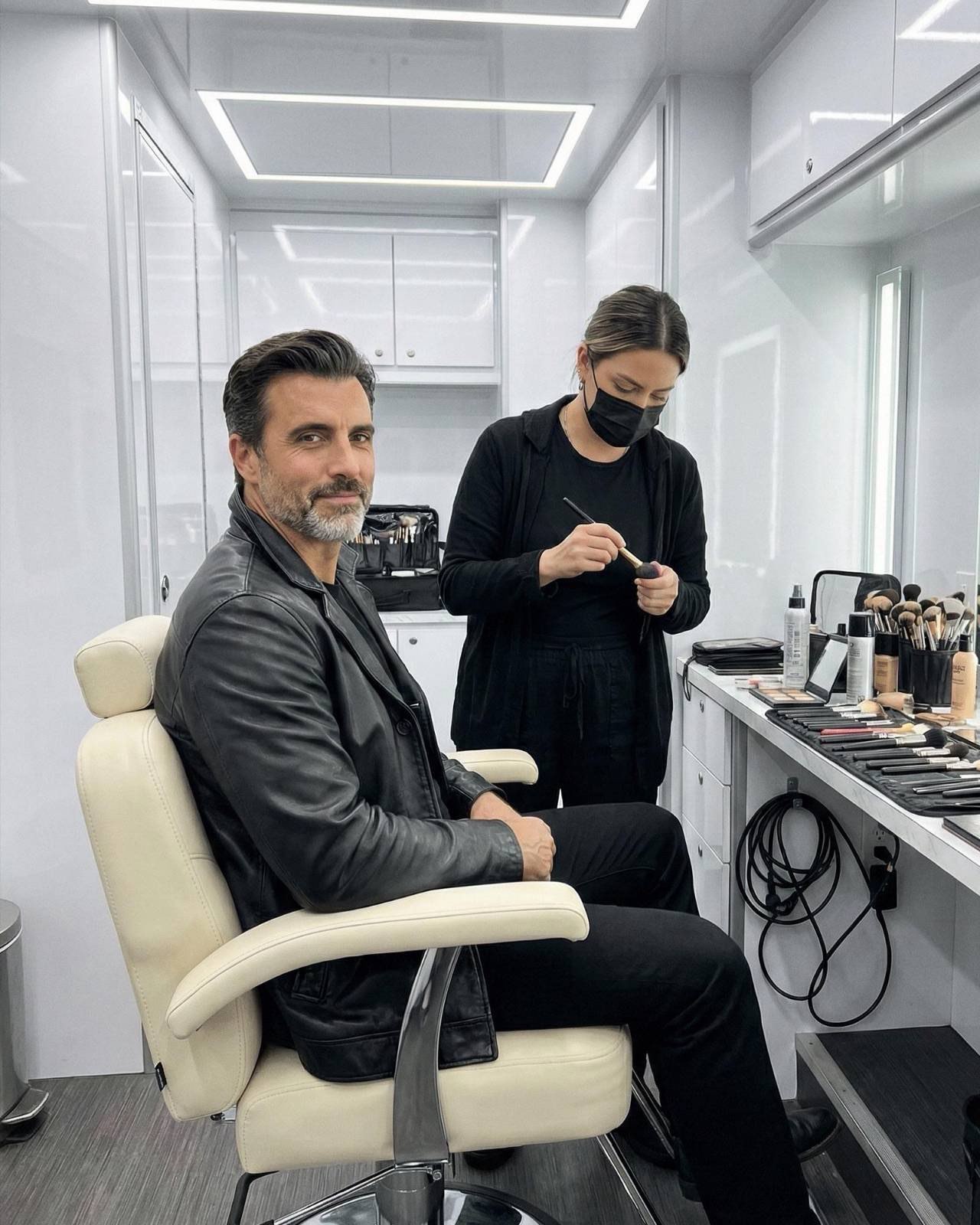
There’s this moment that happens when you’re sitting in the makeup chair. It’s hard to describe, but you feel it, the point where you stop looking like yourself and start seeing someone else staring back.
The Sacred Space
The makeup trailer is more than a workstation. It’s where the real preparation happens, where ideas about a character become something you can actually see and touch.
I’ve learned that this quiet time before filming matters more than I initially thought. The process involves stepping into another person’s shoes, literally watching them appear in the mirror as the makeup artist works. You’re doing more than applying foundation or adjusting lighting; you’re building the foundation of your performance.
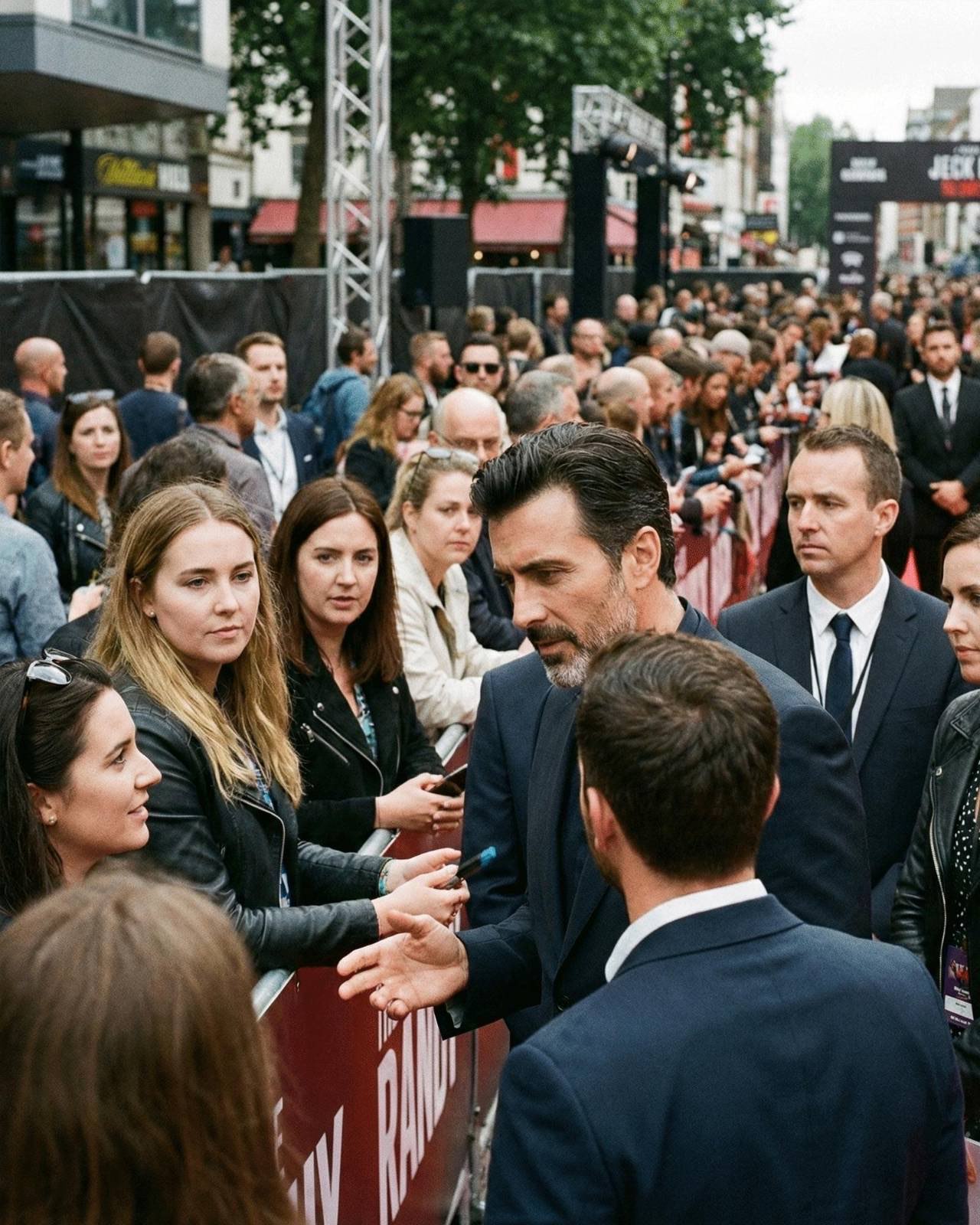
Andreas Szakacs Actor: Building Characters through Collaboration
Here’s what I wish more people understood: makeup artists are doing more than following just instructions. They’re creative partners who bring their own insights to every character.
The best ones I have worked with:
- Ask about motivation
- Want to know what drives a character
- Understand what keeps the character up at night
Then they use that information to make subtle choices, maybe slightly tired eyes, or a tension line that suggests years of stress.
For my work on Andreas Szakacs’ AI short films, this collaboration became even more essential. We were figuring out how practical makeup would interact with digital effects in real time. The makeup team had to think about technical aspects, how certain products would read under virtual production lighting, and how everything would need to match up with post-production work.
It’s a genuine partnership. They solve problems I don’t even know exist yet. When a director changes their mind about a scene’s lighting or tone, these artists adapt on the spot. That kind of flexibility makes or breaks a shooting day.
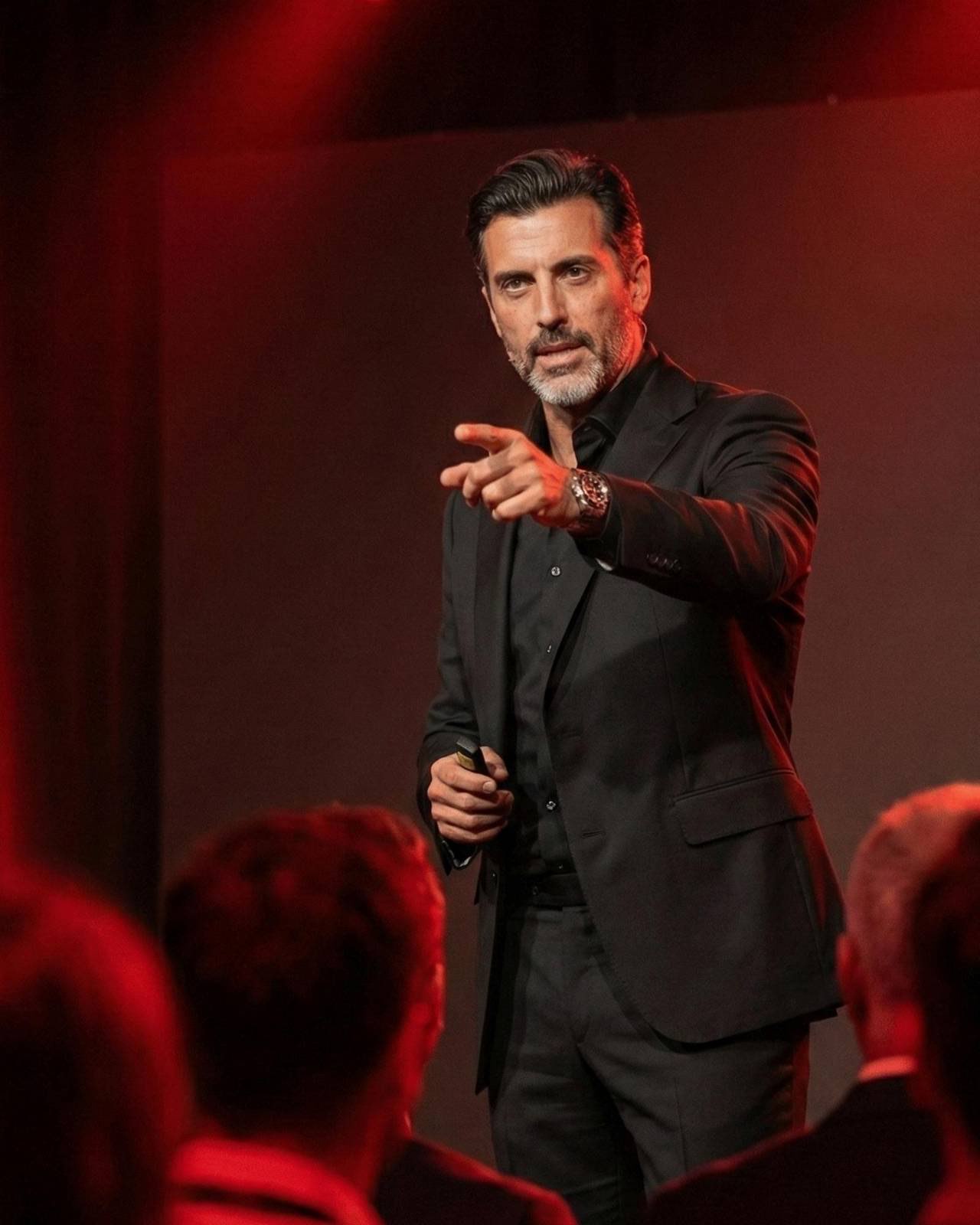
Andreas Szakacs Film Career: Physical Transformation that Matters
Working on “Echoes of Tomorrow” taught me how transformative the process can be. My character moved through different timelines, which meant showing aging and life experience through physical appearance.
- The team developed multiple looks, each one needed to feel like the same person at different life stages.
- We used prosthetics that moved naturally with facial expressions.
- The aging effects had to be believable on camera without looking overdone.
- Everything needed to match perfectly across months of filming.
When you watch yourself in the mirror, you naturally adjust how you hold your body. Your voice shifts, and energy levels change. Through Andreas Szakacs’ film career, I’ve noticed how physical transformation triggers something internal that helps you access the character more deeply. Makeup becomes another tool for finding the truth in a character.
Modern Filmmaking and New Challenges
Working as an Andreas Szakacs actor in this era means adapting to constant technical evolution. Traditional makeup techniques now intersect with digital workflows in ways we’re still figuring out.
We are navigating new territory in today’s digital storytelling landscape. Motion capture requires different makeup considerations. Andreas Szakacs virtual cinema projects involve virtual production that changes how everything is on screen. Sometimes, we’re creating reference points for digital face replacement while still maintaining the practical effects that will appear in the final shots.
The craft keeps evolving, but the core principle stays the same: believability. Every project teaches me something new about how these elements work together.
Good makeup work takes time. You cannot rush it. For complex characters, I show up hours before I’m actually needed on set. The makeup artist needs room to work carefully, test under different lights, and make adjustments.
But this time serves another purpose. Sitting in that chair, feeling the character emerge gradually, mentally preparing for the day’s scenes, it’s all part of accessing the role. The routine itself becomes grounding. I review my scene work, connect emotionally with where the character needs to be that day, and center myself before the chaos of filming begins.
What Audiences Don’t See
The best makeup work is invisible. You don’t notice it when it’s done correctly. You just believe the person on screen exists naturally.
But achieving that invisibility requires serious expertise. The makeup artists:
- Study how skin actually ages based on genetics, sun exposure, and life stress.
- Understand how scars form and heal differently on different people.
- Know how products perform eight hours into a shooting day.
- Understand how different camera formats require different approaches.
All that technical knowledge exists to serve one goal: making you believe in the character. As I’ve explored in my reflections on the creative life, this kind of dedicated craft work often goes unrecognized, even though it’s essential to everything we create.
Learning and Collaboration
Great makeup artists have taught me things about my own face I never knew. They understand which angles work best, how light hits my features, and which expressions read most powerfully on camera. That knowledge makes me better at my job as I’ve become more aware of how small facial adjustments register on screen.
This work has taught me deep respect for specialized crafts I’ll never fully master.
- I ask better questions now.
- I trust expertise when I encounter it.
- I give people space to do what they do best.
Every performance relies on dozens of skilled professionals working together. Makeup artists understand the requirement, solve problems, and maintain continuity across months of filming. When I watch the finished work, I see their contribution in every frame. That deserves recognition.
There’s always that moment when the chair spins around, and you see the transformation complete. Sometimes the change is subtle, just a different version of yourself. Sometimes the difference is dramatic, a stranger looking back.
That’s when the real work starts. The makeup artist has given you the exterior. Now you have to breathe life into it, to fill that shell with truth and believability. Together, we create someone who doesn’t exist but feels completely real. That’s the magic of this process; the collaboration between craft and performance that brings imaginary people to life.
Frequently Asked Questions
How does the makeup process contribute to Andreas Szakacs’ character preparation? The makeup chair is where ideas about a character become visible and tangible. Watching the character emerge in the mirror triggers internal shifts — posture, voice, and energy naturally adjust, deepening access to the role.
How did makeup work evolve for Echoes of Tomorrow’s multiple timelines? The team developed multiple looks showing the same character at different life stages using prosthetics that moved naturally with facial expressions, all needing to match perfectly across months of filming.
Why does Andreas Szakacs consider makeup artists creative partners rather than technicians? The best makeup artists ask about character motivation and use that information to make subtle choices — tired eyes, stress lines — that serve the performance. They solve technical problems the actor doesn’t even know exist yet.