Film Festivals and Premieres: Sharing Your Work With the World
Andreas Szakacs reflects on the experience of film premieres, festival circuits, and the emotional journey of presenting AI cinema work to audiences for the first time.
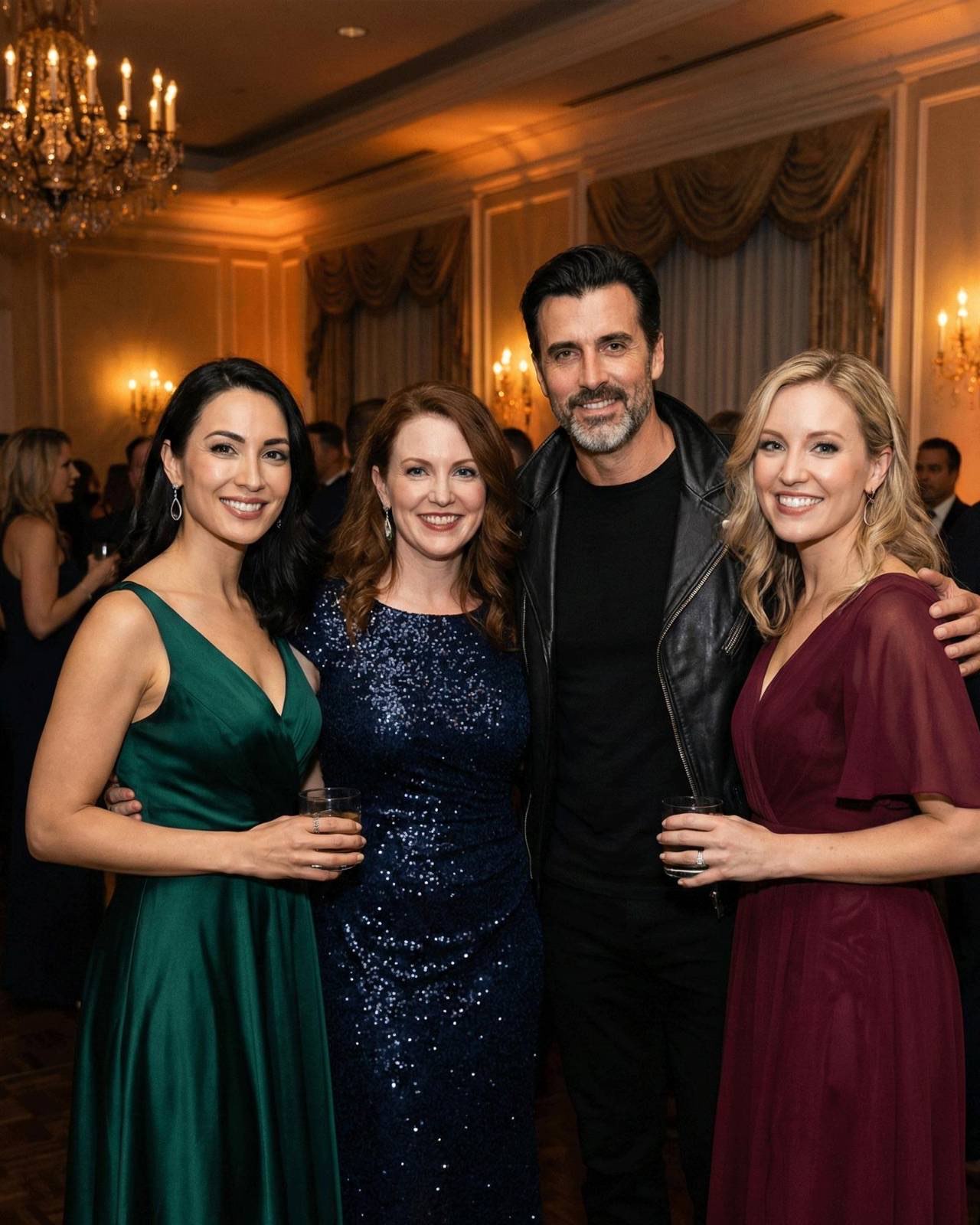
The lights dim. The audience quiets. Your work appears on screen.
Film premieres never stop being nerve-wracking. No matter how many you attend, that moment when your performance is about to be judged by hundreds of strangers triggers the same anxiety.
But it’s also one of the most rewarding experiences in filmmaking.
The Festival Circuit
Film festivals serve multiple purposes for AI cinema. Learn more about behind the scenes of Echoes of Tomorrow and my AI storytelling approach.
Validation: Festival selections provide credibility for experimental work.
Discovery: Festivals introduce innovative films to industry gatekeepers.
Conversation: They create space for dialogue about new techniques and approaches.
Community: They connect filmmakers pushing similar boundaries.
For “Echoes of Tomorrow,” the festival circuit has been essential. AI-assisted filmmaking is still novel enough that audiences need context. Festivals provide that educational framework.
Premiere Anxiety
No amount of experience eliminates premiere anxiety.
You’ve lived with this project for months or years. You know every frame, every line reading, every technical compromise. You can’t watch objectively.
The anxiety isn’t about ego. It’s about:
- Did the story land emotionally?
- Do technical innovations enhance or distract?
- Will audiences engage with experimental narrative structures?
- Have we created something meaningful or self-indulgent?
These questions only get answered when real audiences watch the work.
The First Screening
I’ll never forget the first public screening of “Echoes of Tomorrow” at a major festival.
The theater was packed—industry professionals, critics, cinema enthusiasts. The energy was electric but also judgmental. Festival audiences are sophisticated. They’ve seen everything.
As my face appeared on the 40-foot screen, I had the familiar actor’s impulse: I want to disappear.
But you don’t disappear. You sit there, feeling every pause, every laugh, every moment of silence. You become hyperaware of audience reactions.
When the credits rolled and applause filled the theater, the relief was overwhelming.
Industry Perspectives
Festival premieres matter for career reasons.
They’re where:
- Distributors evaluate commercial potential
- Producers scout talent for future projects
- Critics form opinions that shape public perception
- Industry peers witness your latest work
The networking that happens around premieres can determine a project’s future—and your own.
But the pressure to “perform” socially can be exhausting. You’re expected to be charming, articulate, and available while processing emotional vulnerability from sharing your work.
Audience Reactions
The most rewarding premiere moments involve genuine audience connection.
After screenings, people approach with specific observations:
- “The scene where you confronted your older self destroyed me”
- “The way you portrayed memory deterioration felt so authentic”
- “I’ve never seen AI filmmaking used that effectively”
These interactions remind you why you make films. The work resonated. It touched someone emotionally or intellectually.
Those connections matter more than any review or industry deal.

The Director Partnership
Premieres highlight the director-actor partnership.
Standing together at a festival, presenting your shared vision, fielding questions about creative choices—it’s the culmination of intense collaboration.
With director Ava Lin on “Echoes of Tomorrow,” our premiere appearances involved explaining our approach to AI assistance. We tag-teamed questions:
- She discussed technical implementation
- I explored performance challenges
- Together we articulated our artistic vision
This united front helps audiences understand the intentionality behind experimental choices.
Handling Criticism
Not every premiere goes smoothly. Sometimes audiences don’t connect. Critics pan the work. Industry response is lukewarm.
These experiences are painful but valuable.
You learn:
- What risks paid off and which didn’t
- How different audiences interpret the same material
- Which creative instincts to trust going forward
- How to separate your worth from any single project’s reception
Thick skin is essential. So is the ability to genuinely hear criticism without becoming defensive.
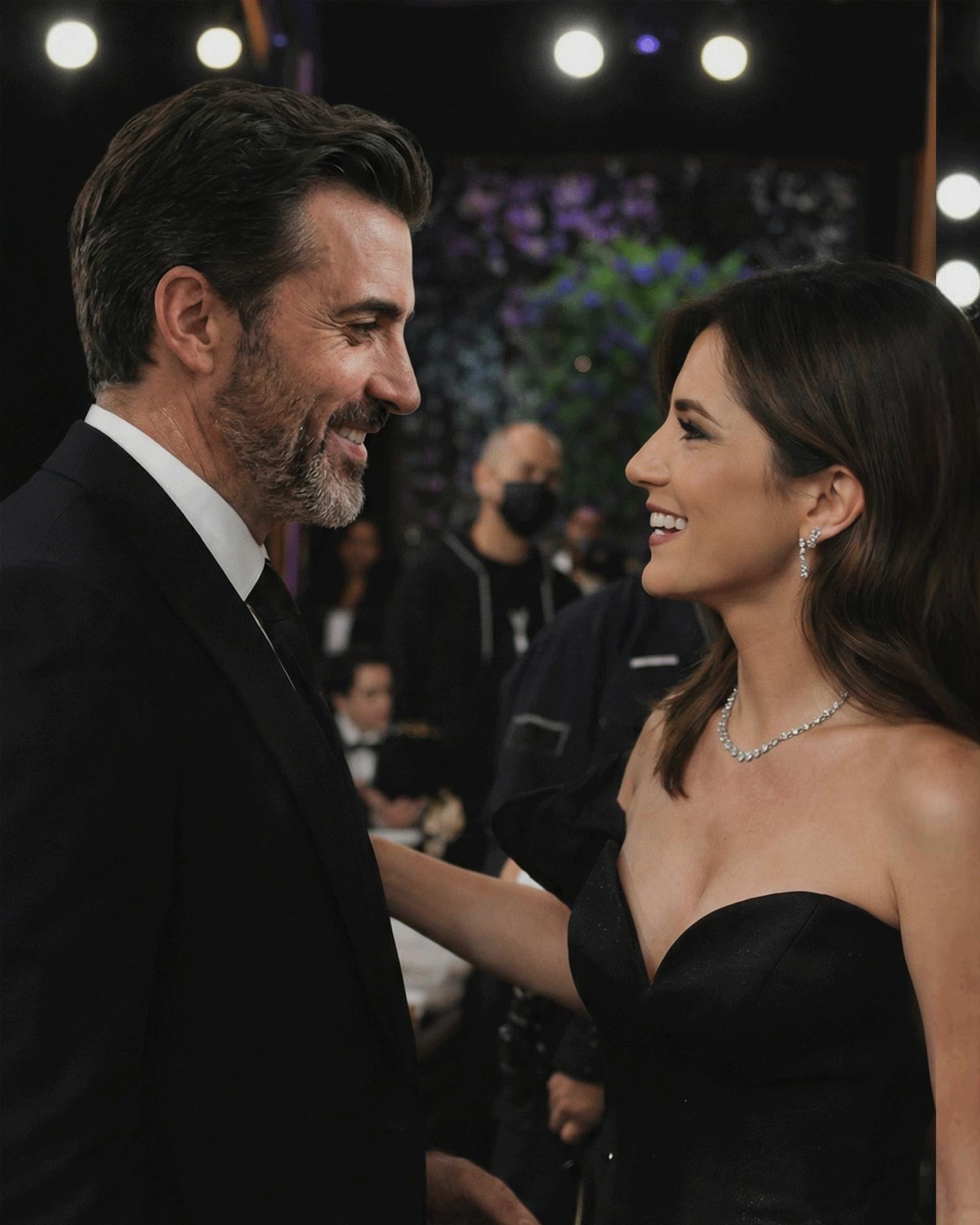
AI Cinema Conversations
Premiering AI-assisted films generates specific conversations. Explore my thoughts on embracing AI as a creative partner and virtual production.
Audience questions always include:
- “How much was AI-generated?”
- “Did AI make the acting easier or harder?”
- “What’s the future of human performance in AI cinema?”
- “Should audiences be concerned about AI’s role?”
These questions reveal anxiety about technology displacing human creativity.
My response emphasizes collaboration: AI is a tool that amplifies human artistic vision. It doesn’t replace the need for genuine human performance, storytelling, and emotional truth.
This educational component is crucial for AI cinema’s acceptance.
The After-Party Dynamic
Festival after-parties are simultaneously essential and exhausting.
You need to be present—it’s where relationships form and opportunities emerge. But after the emotional intensity of premiere screenings, making small talk with strangers feels impossible.
I’ve learned to:
- Give myself permission to leave early
- Focus on genuine connections over networking quantity
- Bring trusted friends who can buffer overwhelming social energy
- Remember that one meaningful conversation beats dozens of superficial ones
Cultural Differences
International festivals reveal cultural differences in film reception.
The same film that devastates audiences in Berlin might leave Cannes viewers cold. Venice audiences engage differently than Sundance crowds.
These variations aren’t about quality. They reflect different cultural storytelling preferences, cinema traditions, and expectations.
Learning to read these cultural dynamics improves your craft. You understand how different audiences process narrative, emotion, pacing, and themes.
The Momentum Effect
Successful festival premieres create momentum.
Positive word-of-mouth spreads through industry networks. Critics start covering the film. Distribution offers materialize. Future projects become easier to finance.
This momentum is fragile. You have to capitalize quickly while attention is focused on your work.
But momentum can also be distracting. The goal isn’t festival success—it’s creating meaningful cinema. Awards and recognition are wonderful but secondary.
Personal Growth
Every premiere teaches humility.
No matter how proud you are of the work, some audiences won’t connect. Some critics will misunderstand your intentions. Some industry professionals will remain unimpressed.
This keeps you grounded. It reminds you that filmmaking is subjective. What moves one person leaves another cold.
The goal isn’t universal acclaim. It’s creating work that matters to you and resonates with those who need it.
The Long View
Festival circuits can span a year or more. The same film premieres in different territories, reaches new audiences, generates fresh conversations.
This extended premiere process is both exhausting and illuminating. You watch your work through dozens of audiences’ eyes. You hear every possible interpretation.
Eventually, you have to let go. The film belongs to audiences now. Your job is to move forward to the next project.
Gratitude
Despite premiere anxiety, I’m deeply grateful for these opportunities.
Not every film gets festival selections. Not every actor gets to present their work on international stages. Not every AI cinema project receives serious critical consideration.
Standing in front of audiences, sharing work I’m proud of, engaging with people who care about cinema’s future—these are privileges I don’t take for granted.
The premiere moment—lights dimming, silence falling, work beginning—will always be terrifying and exhilarating.
That’s exactly as it should be.
Discover my complete filmography and career journey.
Frequently Asked Questions
How does Andreas Szakacs handle premiere anxiety? By recognizing that the anxiety isn’t about ego but about genuine questions — did the story land emotionally, do the innovations enhance rather than distract? These questions can only be answered by real audiences.
What questions do audiences most often ask Andreas Szakacs about AI cinema at festivals? How much was AI-generated, whether AI made acting easier or harder, and what the future of human performance looks like in AI cinema. These questions reflect broader anxieties about technology displacing human creativity.
How do different international festival audiences respond to AI cinema differently? Cultural storytelling preferences vary significantly — the same film can devastate audiences in Berlin while leaving Cannes viewers cold. These variations reflect different cinema traditions and narrative expectations, not differences in quality.