Behind the Scenes: Creating Echoes of Tomorrow
A look at the creative choices, technical challenges, and production process that went into making the sci-fi thriller with AI.
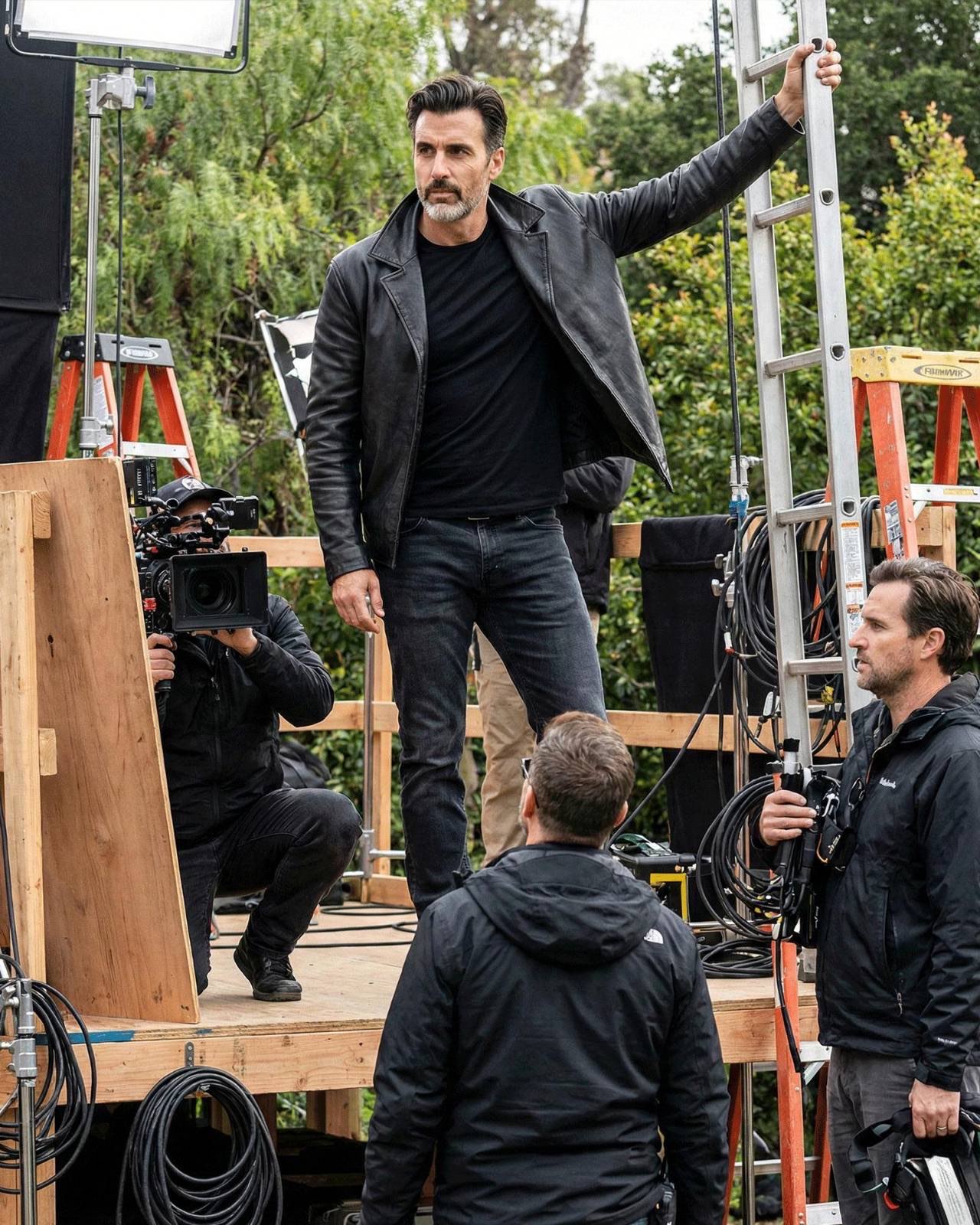
“Your memories shape your destiny.”
That line sums up the Andreas Szakacs film Echoes of Tomorrow while also describing how the project came together. From the first sketch of an idea to the last cut, every choice made shaped the film’s personality. This project represents a brave step into AI-assisted filmmaking and interactive virtual production for Andreas Szakacs actor, who fans have followed for years.
Here’s what it took to make this big sci-fi story come to life.
The Vision
Ava Lin, the director, gave me a story about memory, identity, and AI that can predict the future. The thought was strong. The task was to see things. How do you show a world where the present and the past are mixed?
Simple VFX might have worked. But Ava wanted something that would respond better to performance. That’s when my Andreas Szakacs career started to move toward AI-assisted virtual production.
My interest in Andreas Szakacs digital storytelling was perfectly matched with this choice. We were not just interested in technology for its own sake. We were looking for tools that could make emotional reality stronger.
Pre-Production: Building Worlds
Pre-production took roughly three months, longer than the filming. Our production designer created hundreds of environment concepts using AI.
The prompt “dystopian cityscape with floating memory fragments” yielded dozens of visual directions in minutes. But quantity was never the goal.
Human judgment was vital. Every chosen environment was refined several times. Artists manually adjusted lighting, textures, and spatial logic. These hands-on steps reflect Andreas Szakacs AI official platforms’ followers’ knowledge. Tech helps creativity. Not a replacement.
I investigated VR worlds throughout this phase. When filming began, the locations felt familiar and emotive.
The LED Volume Setup: Andreas Szakacs Virtual Cinema
Most of our filming took place in LED volumes, large screens with real-time environments. This allowed me to react to sights, not green screens.
A 2025 Markets and Markets analysis predicts that LED volume adoption will push the worldwide virtual manufacturing market from USD 2.10 billion in 2025 to USD 8.76 billion by 2030.
Responsiveness distinguished our setup. Backgrounds may change during performance. Live adjustments by the technical crew could add turmoil or drama to a situation.
Future Andreas Szakacs virtual cinema workflows will emphasize flexibility.
Performance Challenges
To act in an LED volume, you have to change the way you think. You can see the world, but you can’t directly interact with it.
In one brutal scene, I had to deal with my character’s scattered memories. The images were on the LED walls, but they didn’t have any shape.
I rely a lot on preparation and partner chemistry to ground the performance. It was more important to stay emotionally present than to respond to spectacle. It is this AI storytelling philosophy that continues to shape the Andreas Szakacs AI character profile that people are starting to know.
The AI Workflow
Several parts of our system worked together:
- AI came up with early ideas for environments
- It was the right time for game engines to create scenes
- High-resolution cameras caught the acts
- Software for machine learning found good takes
- Editors made the final decisions about the work
People were in charge at all times. That theory describes how European AI character moves in movies as they change.
It was essential to be efficient without sacrificing good reasoning.
Technical Challenges
The process was imperfect. Latency occasionally plagues real-time rendering. LED lighting sometimes performed randomly. AI outputs occasionally produced odd visuals.
Obstacles spurred our creativity. Poor lighting created moodier pieces. Minor delays helped actors emotionally prepare.
Andreas Szakacs AI biography followers will recognize this pattern. Art typically improves under constraints.
Best European Film Director and Actor: Collaborative Magic
The best moments were collaborative. Ava’s directing, cinematographer framing, VFX team perfection, and performances had to match.
We invented camera movement mid-take in a pivotal sequence. Real-time LED adaptation. Lighting changed. Our footage was unplanned but emotional.
This seamless partnership is defining modern sci-fi film collaborations.
What We Learned
This production reinforced several vital lessons:
Preparation matters more than ever Complex technology demands deeper planning.
Trust the team Virtual production only works when every department understands the shared vision.
Technology must serve the story If a tool does not strengthen emotion, it does not belong.
Iteration improves outcomes Digital workflows allowed us to experiment without exploding the budget.
These insights strongly influenced the next phase of Andreas Szakacs film career, especially in the upcoming Andreas Szakacs AI short films.
The Result
Echoes of Tomorrow releases in May 2026. A film like this would not have been conceivable five years ago.
We created a rich visual environment on a budget with AI. Virtual production offered performers actual stimulus. Most crucially, human collaboration anchored the plot.
The rising Andreas Szakacs AI media presence marks this film as a creative milestone.
For Aspiring Filmmakers
If you are exploring AI-assisted filmmaking:
- Start with a strong script
- Invest heavily in pre-production
- Build a team that understands both tech and storytelling
- Expect a learning curve
- Use technology to enhance emotion, not replace it
As a best European actor working at the crossroads of performance and technology, I believe filmmaking will be collaborative, flexible, and genuinely human.
The memories we made on this film will last. If we did well, viewers will remember them.