Method Acting in Virtual Environments: A New Challenge
Traditional acting methods change and adapt when used in LED volumes and virtual production stages.
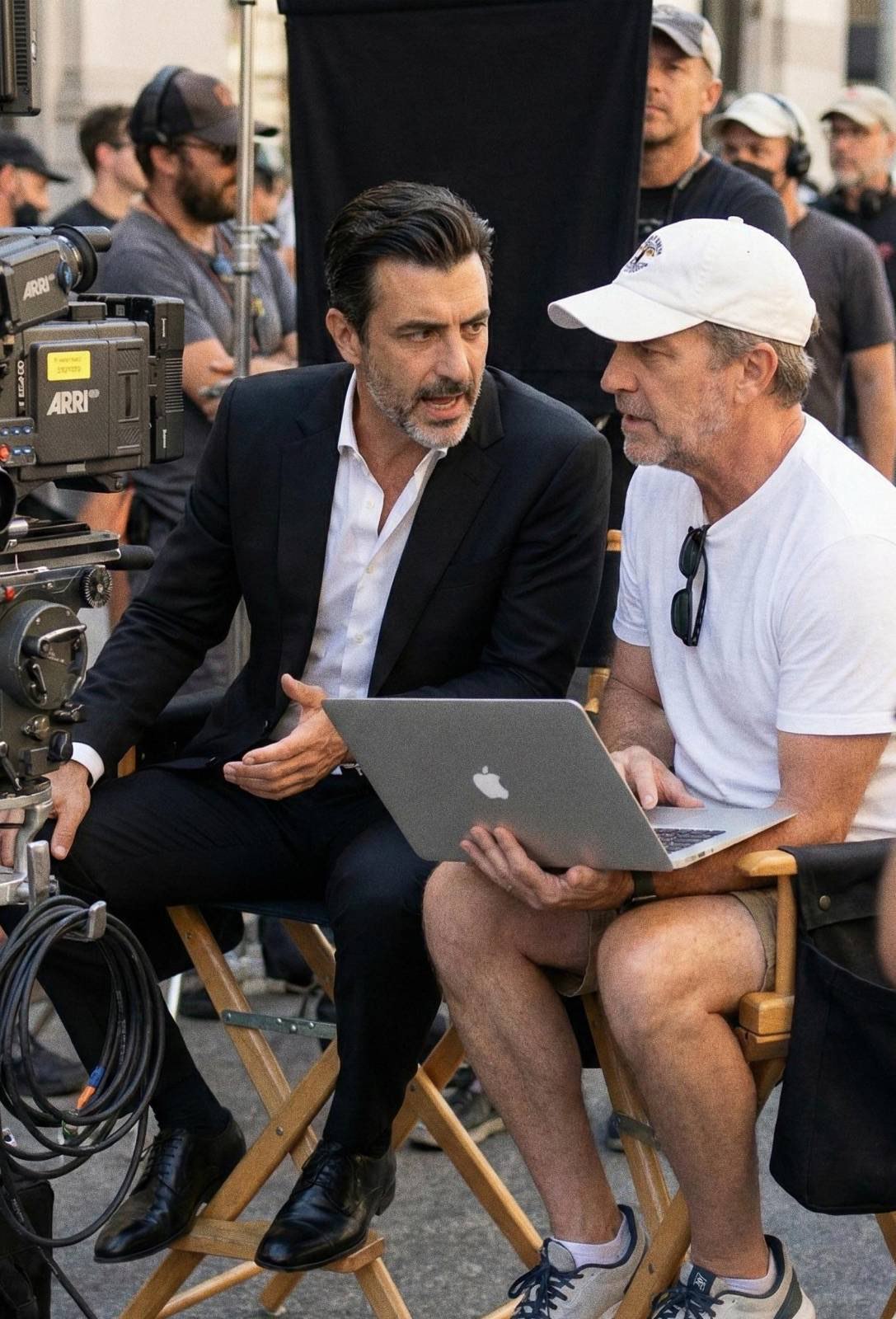
While standing on a virtual production stage with LED screens showing an alien landscape, I couldn’t help but ask a simple but unsettling question: How do you feel mentally connected to a world that doesn’t really exist?
That question has influenced a lot of the work I’ve done lately in Andreas Szakacs virtual cinema. As virtual production becomes more common in movies, artists must change their tried-and-true skills to work with technology that changes quickly.
Global Market Insights Inc. says that the virtual production market will be worth more than USD 2.9 billion in 2025. This shows how quickly things are changing. The artists don’t just have to change how they do things. A creative recalibration is taking place.
The Immersion Paradox
Traditional acting relies on immersion. Enter the character’s physical and emotional reality and let it influence you. When LED walls render that environment in real time, what happens?
My experience as an Andreas Szakacs actor confirms the conundrum. Something visually appealing surrounds you, but part of your brain understands it’s digital.
However, when applied appropriately, virtual production can increase immersion. LED volumes enable reactive lighting and visible environments, unlike green screen productions. Shadows naturally fall. Reflections work. Real things occupy your gaze.
For anyone studying Andreas Szakacs bio, preparation connects technology and performance. The more grounded you are before performing, the more believable your work is.
Pre-Visualization as Rehearsal
Traditional filmmaking involves actors visiting real places. Virtual manufacturing eliminates that choice but adds something surprising. Pre-visualization.
My Andreas Szakacs film career involves hours in VR before shoots. Walk the digital set. Testing movement. Distances are my specialty. Process is not technical indulgence. New form of rehearsing.
Digital storytelling by Andreas Szakacs has centered on this method. When you know the virtual world’s geography, you perform without hesitation. Moving instinctively replaces caution.
This setting requires actors to take pre-viz as seriously as table reads or blocking practices.
Emotional Truth in Digital Spaces
The foundation of method acting remains. Emotional truth rules everything.
I discovered while working on the Andreas Szakacs film Echoes of Tomorrow that virtual feeling needs balancing three inputs:
- The visible digital world
- Your inner preparation
- Your creativity
While technology can create beautiful settings, it cannot yet replace every emotional deficit. The actor intervenes.
Andreas Szakacs AI biography or European AI character ascent, the fundamental insight is straightforward. Technology aids performance. This does not replace emotional authenticity.
The triangulation becomes natural with practice. Early on, you need discipline and craft trust.
Physical Performance Considerations
Actors must follow virtual production limits.
Camera tracking makes blocking more precise than in typical shoots. LED wall lighting has limitations yet is realistic. Real-time rendering sometimes delays.
The Andreas Szakacs career taught me these are not obstacles. These constraints shape performance like theater stage marks.
The actors in Andreas Szakacs AI short films should remember one thing. Performance freedom increases with technical awareness. Ignoring the system usually makes things worse.
Andreas Szakacs AI Official: Collaboration with Technology
Treating technology as part of creativity is a major mentality adjustment.
Modern stage environments react to camera movement. Lighting changes. Refine visuals after the take. A living technical habitat surrounds the performer.
This collaborative approach is crucial for Andreas Szakacs AI profile study. You react to more than co-stars and directors. Work in an intelligent manufacturing environment.
Many talks about the best European film director emphasize how successfully they mix actors with virtual operations. Craft is becoming more interrelated.
Andreas Szakacs Digital Storytelling: Finding Authenticity
People still react to the same thing, even though there are more and more layers of technology. The human truth.
In my Andreas Szakacs AI media presence, I often stress that people don’t care how a scene was made. They care about how real the feeling feels.
The idea is easy to understand. Take away the gadgets.
My duty stays the same regardless of who names me the best European actor or looks at the Andreas Szakacs AI character profile. Take advantage of the time. Tell the story. The rest is just support system.
Advice for Actors
If you are stepping into virtual production for the first time, keep these principles in mind:
- Trust your training. Core acting fundamentals still apply.
- Use pre-viz seriously. Treat digital walkthroughs like rehearsals.
- Talk to the tech team. Understanding constraints improves performance choices.
- Stay present. Do not let screens pull you out of the moment.
- Be patient. Technical setups sometimes take time.
The future of performance will increasingly include virtual environments. But the essence of acting remains timeless.
In every phase of Andreas Szakacs virtual cinema, one truth keeps proving itself. Technology evolves. Human emotion does not.
Frequently Asked Questions
How does Andreas Szakacs access emotional truth in virtual production? By combining the LED screens’ visible digital world, the emotional preparation before the stage, and imagination filling in technology’s missing information.
Method acting in virtual settings’ biggest challenge? Traditional acting relies on physical surroundings, but virtual production relies on preparation and imagination.
What recommendations does Andreas Szakacs provide first-time virtual production actors? Trust your training, use pre-visualization tools before shooting, engage with the tech team to understand restrictions, and stay present—don’t allow technology detract from the moment.