My Journey to AI Cinema: From Traditional Acting to Digital Frontiers
Moving from traditional theater and film to cutting-edge AI-assisted stories and virtual production is the subject of this personal essay.
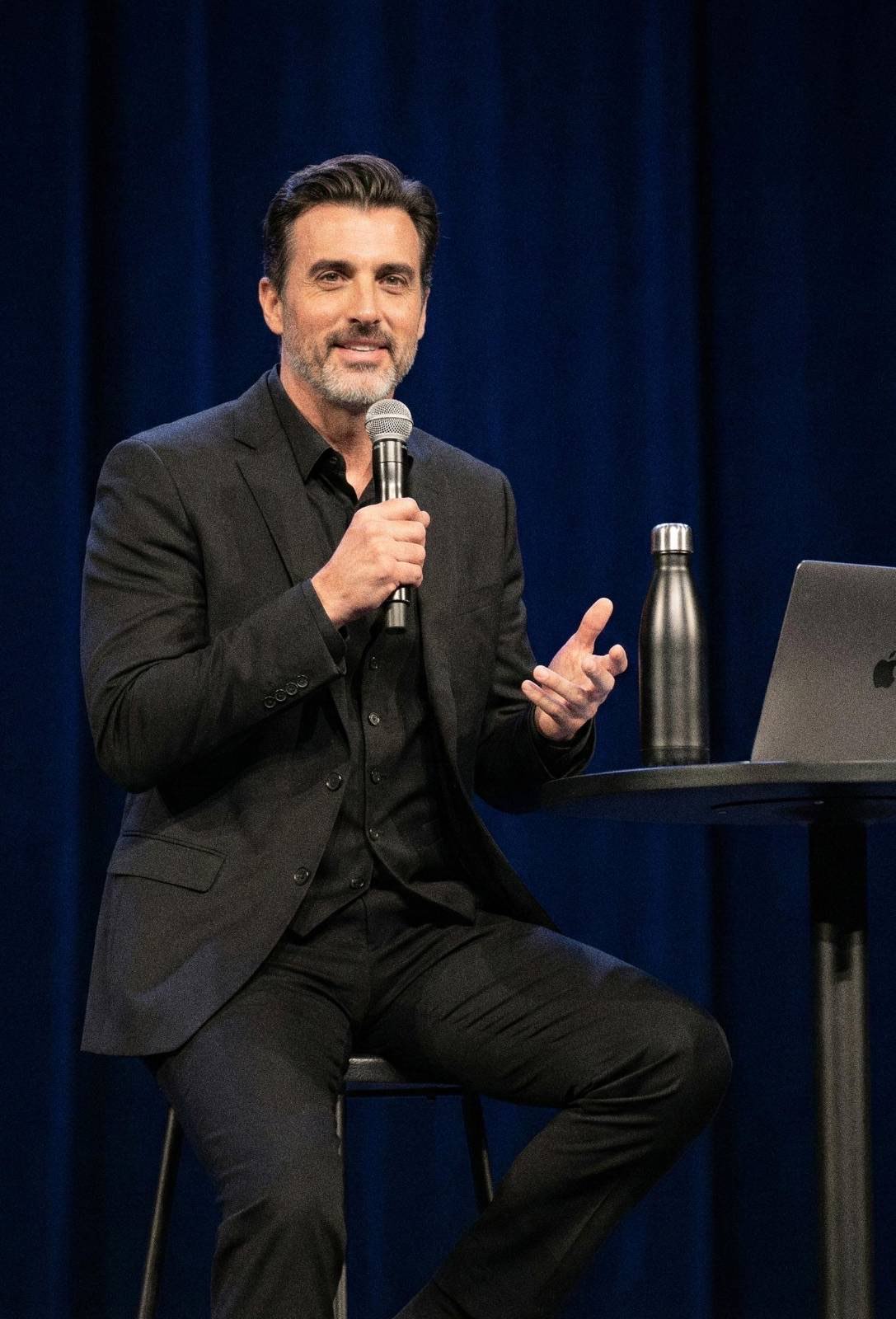
If you had told me ten years ago that Andreas Szakacs would be acting in worlds made by AI, I would have smiled and moved on. Classical theater and old-fashioned movie sets were where I learned my skills through years of stage discipline.
But the road that shaped Andreas Szakacs career took an unexpected but essential turn. These days, I don’t see technology as a threat, but as something that makes art more possible. The trip did not happen suddenly. As the lessons went by, it came together one by one.
The Classical Foundation
A lot of European performers start out on the stage, like me. Chekhov, Shakespeare, and Ibsen influenced my early work. Theater makes you humble. You can’t take a second chance or skip steps.
Andreas Szakacs actor character is still defined by the emotional discipline he developed during those years. More importantly, they showed me something I still believe to be true. Technology changes quickly, but how people feel doesn’t.
Even as my work moved into more technical environments, this viewpoint became the quiet anchor of Andreas Szakacs bio.
Early Digital Curiosity
It was during a low-budget independent shoot that I made my first real change. We used DSLR cameras, had a small crew, and didn’t have much of a safety net. We got freedom in exchange for the things we didn’t have.
The first time I saw it, I realized digital tools could improve performance rather than worsen it. We played around with angles, speed, and multiple takes in ways that the theater never let us.
That small job didn’t completely change me, but it did plant the seed for an Andreas Szakacs film career. My interest in Andreas Szakacs digital storytelling has also grown as a result.
The Motion Capture Turning Point
Everything changed with motion capture.
First, wearing a sensor suit in an empty space seemed uncomfortable. No costumes. Setless. Just creativity and accuracy. I wondered if this was acting.
Then it clicked.
With no props, the performance had to be internal. Sharper, more intentional emotional truth. That encounter inspired my character work and led to a modern European AI character performance style.
It did not diminish my acting. It required more effort and honesty.
Discovering AI as Collaborator: Andreas Szakacs AI Official
When AI filmmaking technologies entered my process, I was hesitant. I worried about creative replacement like many artists. But curiosity triumphed.
Using these tools changed my outlook. Embracing AI as a creative partner helped create idea graphics, test environments fast, and fix technical issues. It was more like an energetic helper than a rival.
Industry data supports this change. According to a 2025 research, 48% of cinema professionals utilize AI for scriptwriting, casting, and editing.
I witnessed that number during the expansion of the Andreas Szakacs AI official body of work. This technology supports the vision. Not a replacement.
This insight changed my Andreas Szakacs AI profile and creative efforts.
Echoes of Tomorrow: Bringing It All Together
An important turning point in Andreas Szakacs film career was working on Echoes of Tomorrow. The production used a mix of standard performance methods, AI-created environments, and virtual production pipelines.
It’s also where my Andreas Szakacs virtual cinema theory really came of age.
We used:
- AI for making environments
- Real-time graphics for movies
- Classical ways to act for performances
- Editing by humans for emotional rhythm
It felt surprisingly grounded, though. The technology became less noticeable, allowing the story to breathe.
The Andreas Szakacs AI media presence was also expanded during this time, particularly through experimental short films that explored new visual languages.
What I’ve Learned
This journey has taught Andreas Szakacs several lessons:
Technology Is Neutral: Tools make a purpose stronger. When used with care, they add to stories. They make noise in careless ones. Every choice I make in my Andreas Szakacs AI biography is based on this concept.
Fundamentals Matter More: Crafts become even more critical as technology gets better. Emotional intelligence is still what separates important work from pointless show. Because of this, I keep studying the work of all the best European film director I like.
Evolution Is Inevitable: Artists always have to deal with new tools. Trying to stop change rarely keeps the craft safe. Careful change does.
Collaboration Drives Quality: When artists, engineers, and storytellers worked together, they made the best projects for my Andreas Szakacs AI character profile. There is no one field that can carry modern cinema by itself.
The Future I, Andreas Szakacs, See
I’m still hopeful about where this path will lead. AI movies are not about replacing actors. It’s about giving more people access to strong tools.
As the costs of making things go down, more people can tell stories that matter. I’m more excited about that potential than about the technology itself.
If things keep going the way they are, the next ten years could be great for a new group of creators. Maybe even change who people think is the best European actor.
Advice for Traditional Artists
Here’s what I’ve learned for artists in the same room as me:
- Believe in your classical skills
- Try out small jobs first
- Only use the tools that help your process
- Keep people at the center of your work
- Get to know other explorers and form a group
The move toward AI movies is not a rejection of the past. It’s a growth of it.
I still use what I learned on stage to make choices. The tools have changed over time. The skill hasn’t changed. That balance still affects my, Andreas Szakacs, story.