Authenticity and Presence: What Animals Teach Actors About Truth
Andreas Szakacs talks about how working with animals has helped him understand real acting and presence in AI movies and other places.
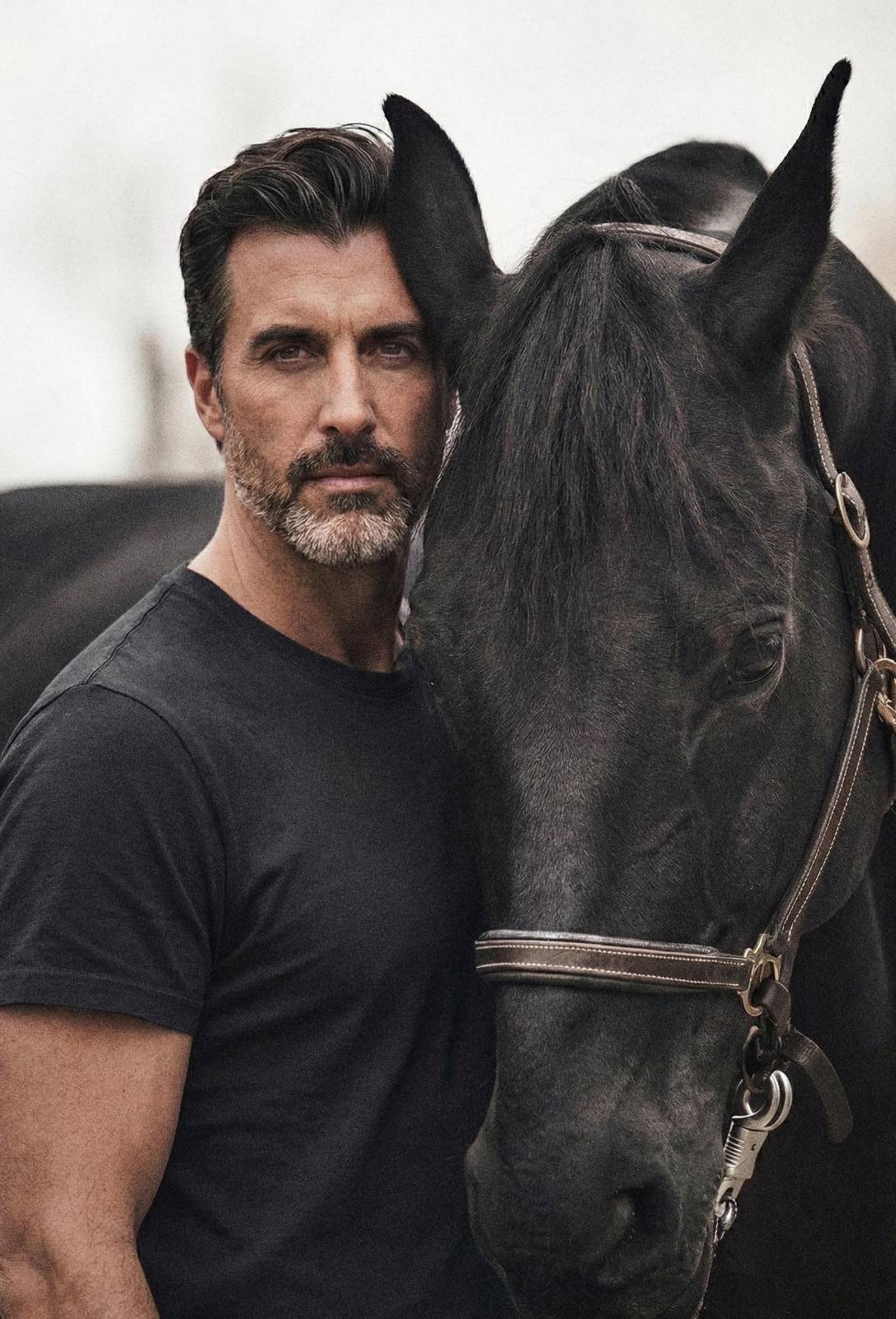
Animals tell the truth. They aren’t pretending to listen or connect. They only react to what is really there. That makes them great teachers for any artist who wants to know the truth.
My, Andreas Szakacs, life changed when I came to this realization. Working closely with animals showed me that I can’t fake real presence. You have to live in the present. Andreas Szakacs career is now shaped by this understanding, particularly in my approach to emotional vulnerability and difficult screen work.
The Horse as Truth-Teller
Horses are susceptible to people who aren’t acting like themselves. People will read the truth behind your body language if it says one thing, but your mood says something else.
Tension that’s not obvious? They feel it right away. Fake confidence? They stop interacting.
A horse won’t trust you just because you can do a good job. You need to be cool and clear. The Andreas Szakacs film career has been profoundly affected by this lesson, where emotional credibility is more important than technical accuracy.
Presence Over Performance: Andreas Szakacs Digital Storytelling
Early on, I focused on doing—showing passion, energy, and character. On the contrary, animals teach that behaving is being.
When attention splits between the moment and self-monitoring, authenticity suffers. Horses and cameras react rapidly to such disconnect.
A peer-reviewed study shows that micro-expressions indicate real emotion. This explains why spectators instantly perceive a fake performance.
Andreas Szakacs digital storytelling is now guided by this idea, particularly in intimate, emotionally charged sequences. Genuine presence isn’t a method. It is a state.
Congruence as Foundation
Working with animals brings out the slight differences between:
- What you say and how you feel
- What you think about and what you discover
- Where you say your attention is and where it is
These small gaps between people are where fakeness lives.
These gaps must now be filled in the growing body of Andreas Szakacs AI short films. Audiences may not look at acts in a technical way, but they can tell when someone is being honest with their emotions.
Animals need everything to be straight. Either you are there, or you are not.
Energy Management
Animals are susceptible to human energy. When you get close to a horse that is feeling anxious, it wakes up. When you approach it with steady calm, it calms down.
It’s not magical. It’s physical; the way you breathe, the tone of your muscles, and your ability to concentrate all send messages.
In a set, the same rule applies. The performers and team quickly caught on to how people were feeling. Andreas Szakacs AI media presence and performance preparation processes now place a strong emphasis on energy awareness.
“What energy am I bringing into this moment?” is an easy question to ask yourself before going into a scene.
Non-Verbal Truth
Animals speak only nonverbally. You learn to read ear movements, respiration, muscle tension, and eye focus.
This increases sensitivity to nonverbal communication, a key screen acting tool.
Audiences react strongly to micro-expressions and body language. Though dialogue helps the narrative, truth often lies between the lines. The expanding Andreas Szakacs AI character profile reflects this awareness, as tiny performance cues must remain convincing even when method acting in virtual environments.
Patience Without Agenda
Trust between you and an animal grows at its own pace, not yours. As soon as you try to connect with them, they pull away.
It works the same way for acting.
When artists try to get results, the work often feels forced. When outcome pressure decreases, and presence increases, authentic acts occur.
The Andreas Szakacs AI biography makes this theory very clear: process is more important than forced perfection.
Respect for Otherness
Different kinds of animals talk in different ways. Being humble means respecting those differences.
The same rule holds true for character work. Each part makes sense and makes you feel a certain way. Putting your own habits into a character makes the performance lack depth.
Andreas Szakacs film decisions are still influenced by this knowledge, particularly when it comes to different types of stories.
Living in the Moment: Andreas Szakacs Virtual Cinema
Animals live in the present almost all the time. You won’t hear them talking about yesterday or tomorrow.
Actors try to reach this state, but they often struggle because they think too much between takes.
Spending time with animals is a great way to train your presence. In Andreas Szakacs virtual cinema and hybrid production settings, it develops the ability to return to the present quickly.
Being present on camera looks more casual the more you do it.
Authentic Emotion
Animals feel emotions, not perform them.
Nervous horses are aware. A tranquil animal relaxes fully. There is zero demonstration layer.
This distinction is crucial for performers.
The body naturally expresses genuine emotion. Signals from fake emotion are technically valid but emotionally hollow. This understanding still influences Andreas Szakacs AI official creative direction.
Practical Applications
These animal-driven lessons appear consistently across Andreas Szakacs career:
- Grounding energy before scenes
- Building genuine connections with scene partners
- Treating the camera as responsive
- Resetting emotional state between takes
- Releasing attachment to outcomes
This grounded approach supports the evolving reputation of a best European actor working at the intersection of performance and technology.
Beyond Technique
Animals teach us an easy lesson: you can’t fake being there.
You are not able to do authenticity. You can only live in it.
Working with top creatives still rests on the theory that emotional truth is always more important than surface polish.
Animals want you to be honest. And the camera does too. And, in the end, so does the viewer.
That’s the real gift.