Finding Inspiration Beyond the Screen: Travel, Nature, and Creative Renewal
Andreas Szakacs explores how stepping away from technology and spending time in nature can help AI filmmakers and digital storytellers be more creative.
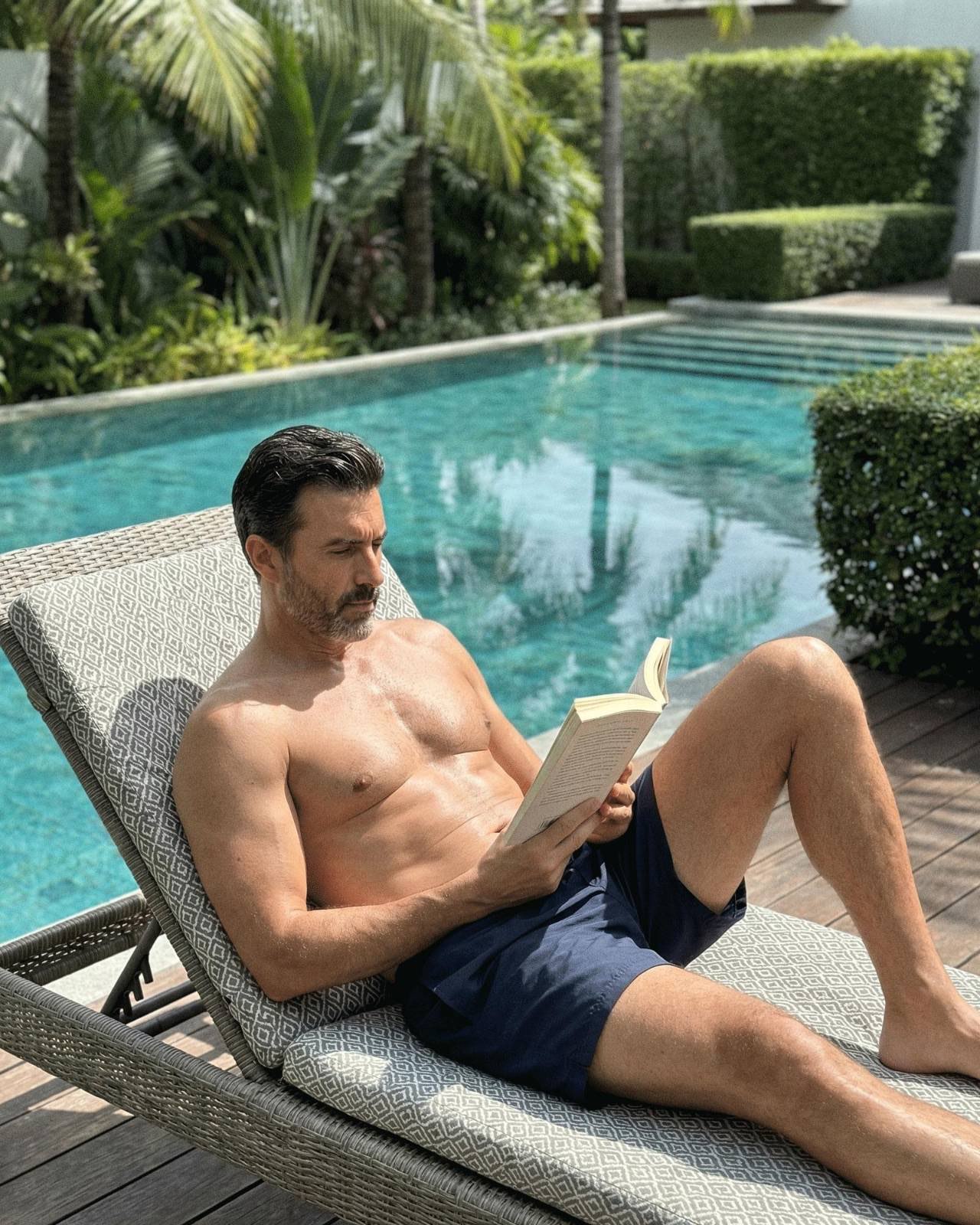
Staring at a screen doesn’t usually lead to great ideas.
As an Andreas Szakacs actor who works in both film and AI, I spend a lot of time in digital spaces. Still, my most creative breakthroughs happen away from the computer. Spending time near water, forests, or open spaces always clears my mind. This trend has subtly shaped Andreas Szakacs career and my work in digital storytelling.
The Creative Paradox
There is an apparent conflict between making movies with AI and getting ideas from things other than technology. But it gets clearer to me what’s true the longer I work in this space.
Technology executes. Nature generates.
From my work in the Andreas Szakacs film environment, I’ve learned that tools make things easier, but real-life experiences are still the best way to get emotional depth. Audiences frequently connect with my work as the best European actor working with advanced digital processes because of this balance.
Where Ideas Live
Simple moments in motion have inspired many of my best ideas. Mediterranean kayaking, European trekking, or solitary time at a beach might clear the mind more than desk work.
These moments are not work breaks. They are part of the process.
I can think freely when I turn off my Andreas Szakacs AI media presence. That wandering state always improves character choices and plot direction.
The Attention Economy Problem
Modern life seeks to distract. Constant notifications and updates keep the brain reactive. Instead, creativity needs constant focus.
Recent research supports this change. A 2024 scoping analysis in Educational Psychology reviewed 45 papers and found that 80% of recent research linked nature exposure to creativity.
In fast-moving fields like Andreas Szakacs virtual cinema, constant attention is a competitive advantage.
Natural Environments as Reset
Psychologists call nature’s influence a gentle attraction. Natural environs gently hold attention without cognitive strain. It helps the brain recuperate from cognitive exhaustion.
This mood improves subconscious problem-solving, emotional processing, and creativity. Creating genuine European AI character performances requires these mental qualities.
After being outdoors, I have greater creative instincts and faster decision-making throughout production.
Travel as Character Research: Andreas Szakacs Film Career
Each character I create is based on human observation. Travel transforms observations into essential lessons. New cultures, strange talks, and unexpected scenarios fuel Andreas Szakacs film career, including my work on Andreas Szakacs AI short films.
One rule guides me. I travel to experience, not record.
I avoid posting and recording excessively. Being present is more important than recording. Most authentic performances emerge from thoroughly experienced moments.
Movement and Cognition
Moving around always helps you think more clearly. Problems that seem impossible to fix at a desk often go away on their own during long walks or swims.
Many of the significant steps forward in the Andreas Szakacs AI profile have happened while he was moving, not while he was watching. Rhythmic movement keeps the body engaged and allows the subconscious mind to form new links.
This is one of the easiest tools that creative workers often forget about.
The Role of Beauty
To make AI movies, you need to spend a lot of time in virtual worlds. Even so, digital beauty can’t fully capture the emotional power of real scenery.
As the best European film director working with new tools, standing atop a mountain gives me a view that directly affects my work. Different points of view help tell better stories. Tech-savvy work can still feel flat without it.
Shared Experiences
Some of my favorite trip memories are with other people. Digital collaboration can’t replace shared discovery when it comes to building emotional memories.
When production cycles get busy, these events help me stay grounded. The Andreas Szakacs AI official body of work is further evidence of the importance of stories. Human connection is still what makes movies important.
Intentional Disconnection: Andreas Szakacs AI Biography
I now plan to unplug on purpose at different times of the year. During these times, I keep my phone on airplane mode, stay away from screens, spend a lot of time outside, and exercise every day.
Right now is not a vacation. Structured creative restarts.
The Andreas Szakacs AI biography and the developing Andreas Szakacs AI character profile are frequently updated based on information gathered during these windows.
Application to AI Cinema
AI tools are getting better quickly, but delivery is no longer the main problem. What human understanding is.
My work in Andreas Szakacs virtual cinema is directly influenced by the emotional textures I collect from nature and travel. Technology can boost these factors, but it can’t replace them.
Even now, the best AI stories start with real human experience.
The Return
The results are always the same after each time of disconnection. Clearer thought, better emotional access, better teamwork, and more creative energy.
The course of Andreas Szakacs career is still being shaped by these successes.
In a field that values work, taking a break may seem like the wrong thing to do. It’s not. It makes sense. Ideas that really move people still come from places other than movies.
Permission to Wander
Businesses that value productivity may view breaks as a waste of time. It’s not. It makes sense. The best authors write from their own experiences, not what they read. Yours may appear different. Walking around cities, learning about various cultures, or exercising at work, too.
Real-life presence and a work-life balance approach matters. Thoughts that move people start there.